Overview of Prop Firms in Crypto Trading
As the landscape of digital assets continues to evolve rapidly, crypto proprietary trading firms, commonly known as crypto prop firms, have emerged as key players in the industry. These firms specialize in providing traders with capital to execute large-volume trades in the crypto market, leveraging the firm's resources and expertise to maximize profitability. Unlike traditional trading firms, which often operate with their own funds, crypto prop firms act as intermediaries, offering skilled traders access to significant trading capital while sharing profits generated from their trades.
Crypto prop firms differ markedly from conventional proprietary trading entities primarily in their focus on digital assets. This specialization allows them to navigate the unique volatility, liquidity, and technical complexities of the cryptocurrency markets. Many of these firms operate within specific frameworks designed to evaluate trader performance, sometimes requiring traders to pass initial assessments, such as trading challenges or evaluations, before gaining access to the firm's capital. This process ensures that only proficient traders are entrusted with substantial funds, reducing risk and optimizing trading success.
In addition, crypto prop firms often facilitate a collaborative environment where experienced traders, technologists, and risk managers work together to develop advanced trading strategies. Their roles extend beyond mere capital provision; they often offer educational resources, trading platforms, analytics tools, and mentorship programs aimed at refining trading skills and strategies amidst the dynamic crypto environment.

How Crypto Prop Firms Operate
Crypto prop firms typically operate through a combination of capital investment, technological infrastructure, and a rigorous evaluation process for traders. These firms allocate funds to traders who have demonstrated competence and strategic insight in the crypto markets, often after successfully passing a series of trading assessments. This model incentivizes skilled trading performance while controlling the firm's risk exposure.
Many firms utilize proprietary trading platforms that provide access to real-time market data, algorithmic trading tools, and risk management features. They often employ profit-sharing arrangements, where traders receive a percentage of the profits their trading activities generate, aligning their interests with the firm's success. Risk management protocols are strictly enforced to minimize losses, including daily profit/loss limits, drawdown thresholds, and stop-loss orders.
Popular Platforms and Prop Firm Challenges
Numerous platforms facilitate entry into crypto prop trading, each with unique evaluation criteria and trading environments. These platforms often host trading competitions or evaluation phases designed to identify reliable traders. However, challenges such as market volatility, the steep learning curve for new traders, and the need for sophisticated trading strategies make success in this field demanding. Consistent performance and adaptability are crucial for traders aiming to thrive within this framework.
How Crypto Prop Firms Operate
Crypto proprietary trading firms function by deploying a blend of advanced technological solutions, strategic evaluation processes, and targeted funding methods to identify and empower skilled traders. These firms typically establish a structured assessment framework that measures a trader’s ability to navigate volatile cryptocurrency markets effectively. This evaluation often involves simulated or live trading challenges designed to test various competencies, such as risk management, strategic execution, and market understanding.
Once a trader successfully completes the evaluation, the firm allocates capital to their trading activities, effectively providing a controlled environment for profits generation. The capital deployment model is structured to maximize risk control while fostering profit opportunities. Traders are usually compensated through profit-sharing arrangements, allowing them to retain a percentage of the gains they generate, which incentivizes consistent and disciplined trading behavior.
Funding models within crypto prop firms may vary, but most employ either a fixed capital allocation, tiered funding based on performance metrics, or an increasing funding approach as traders demonstrate success. This model ensures that traders can access substantial trading volumes and leverage, essential for optimizing returns in the high-volatility crypto markets.
Technological Infrastructure and Trading Strategies
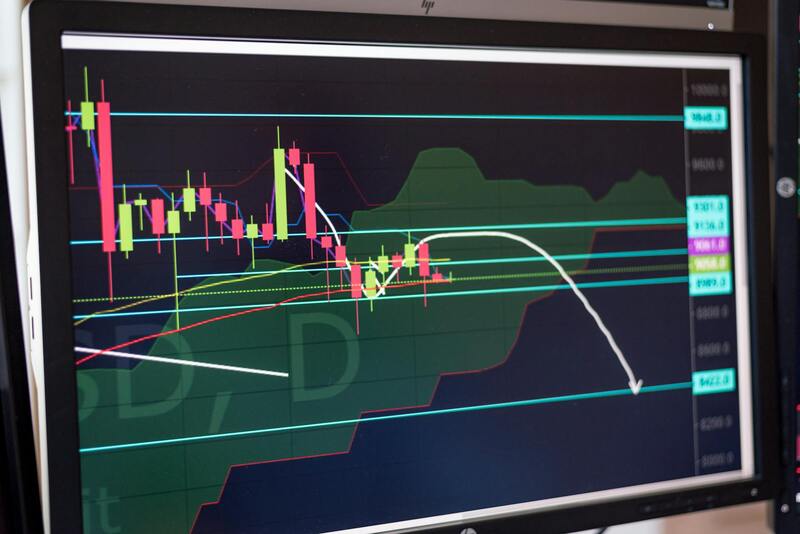
At the core of a crypto prop firm's operation lies a sophisticated technological infrastructure. Proprietary trading platforms integrate real-time data feeds, advanced charting tools, and algorithmic trading capabilities to facilitate swift decision-making. These systems are designed to execute trades with minimal latency, an essential feature given the rapid price movements typical in cryptocurrency markets.
Developing robust trading strategies is critical for success within crypto prop firms. Many traders leverage technical analysis, quantitative models, and algorithmic trading bots to identify profitable opportunities. Risk management is embedded into the trading process, with automatic stop-loss and take-profit orders, daily loss limits, and position sizing rules to prevent excessive exposure.
Focus on Risk Management and Profit Sharing
- Strict adherence to daily and overall drawdown limits
- Use of stop-loss orders to minimize potential losses
- Strategic position sizing aligned with risk tolerance
- Profit-sharing schemes that motivate traders to optimize returns
This combination of high-level technology and strategic risk control enables crypto prop firms to balance profit generation with risk mitigation effectively, ensuring sustainable operation and trader development.
Overview of Prop Firms in Crypto Trading
Proprietary trading firms specializing in cryptocurrencies have become a significant part of the digital asset ecosystem. These firms operate by providing traders with access to trading capital, with the goal of generating profits through strategic and skilled trading activities. Unlike retail traders who use their own funds, traders in crypto prop firms trade with the firm's capital, allowing for larger position sizes and access to advanced trading tools that may otherwise be unavailable to individual traders.
Crypto prop firms often attract experienced traders who possess a deep understanding of market dynamics, technical analysis, and risk management. They offer an environment where traders can leverage institutional-level resources while focusing solely on trading performance, without the concerns of personal capital exposure. This setup not only enhances trading capacity but also encourages a disciplined approach, given that profits are often shared between traders and the firm based on pre-agreed schemes.
Operational Models and Financial Incentives
Crypto prop firms typically operate on a variety of models, including scaling funding programs, challenge-based evaluations, and recurring trading agreements. The most common approach involves a testing phase, often referred to as a challenge or evaluation, where traders prove their ability to generate consistent profits within specified risk parameters. Successful traders then receive an allocated trading account with real capital, which they manage under strict guidelines.
Financial arrangements are designed to motivate optimal trading performance. This can include profit splits, where traders receive a percentage of the profits they generate—sometimes up to 80%, depending on the firm—along with performance-based bonuses. Such schemes incentivize traders to maximize returns while maintaining disciplined risk controls and adhering to firm protocols.
Trading Infrastructure and Strategy Emphasis
At the heart of crypto prop trading are sophisticated technological infrastructures. These include proprietary trading platforms integrated with real-time market data, backtesting tools, and algorithmic trading systems. Speed and accuracy are crucial, as the volatile nature of cryptocurrencies requires rapid execution to capitalize on short-term opportunities.
Developing resilient trading strategies that incorporate technical indicators, pattern recognition, and automated algorithms is vital. Risk management measures such as automatic stop-loss, take-profit levels, and daily loss limits serve to safeguard the trading capital, maintain consistency, and prevent reckless trading behaviors.

Challenges in Crypto Prop Trading
For traders aspiring to join crypto prop firms, the selection process often involves challenging qualification stages. These procedures evaluate the trader’s ability to sustain profitability while adhering to risk parameters, including drawdown limits and trading discipline. The challenge process typically consists of a simulated trading period or challenge account, where traders execute real trades under specific constraints.
Evaluation metrics focus on factors such as risk management, consistency of returns, and adherence to the firm's trading protocols. The goal is to identify traders who can operate profitably over time, demonstrating both skill and discipline. Successful completion of the challenge often leads to an opportunity to manage funded accounts, providing an ongoing source of capital and profit-sharing arrangements.
Different Funding Methods and Capital Allocation Processes
Crypto prop firms employ a variety of funding methods to allocate capital to traders, each designed to assess and optimize trading performance while managing risk effectively. One common approach is the challenge or evaluation process, which involves traders demonstrating their skills through a simulated or small-scale live account. Successful completion often results in the trader being granted access to a larger, funded account, where they can trade with the firm’s capital under predefined risk parameters.
In addition to challenge programs, some prop firms utilize an incremental funding model. Traders start with a smaller account balance, and as they demonstrate consistent profitability and adherence to risk management protocols, their available capital is gradually increased. This model encourages disciplined trading behavior and rewards traders who can sustain steady returns over time.
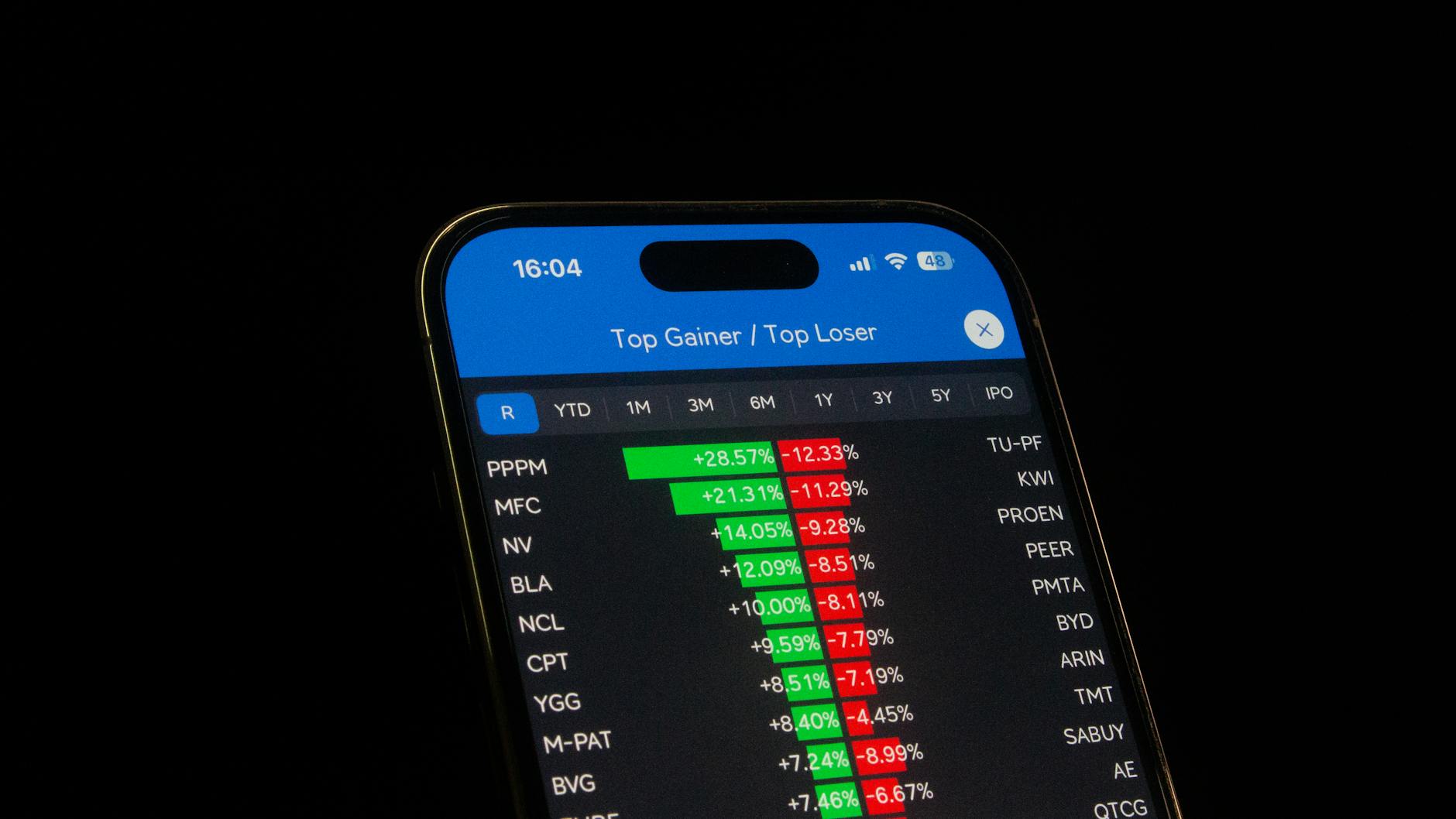
Funded trader accounts are typically managed through strict risk controls. These controls include daily loss limits, maximum drawdowns, and specific position sizing rules designed to preserve the overall capital pool. The process ensures that the firm’s financial exposure remains within acceptable boundaries, even during volatile market conditions typical of cryptocurrencies.
Furthermore, some firms employ automatic risk management systems that monitor ongoing trades and enforce the firm's risk policies in real-time. This automated oversight helps maintain consistency across all trading activity and minimizes impulsive or reckless trading behaviors. The transparency of these processes, combined with disciplined adherence to predefined protocols, forms the foundation of a robust prop trading environment.
Operational Framework of Profitable Crypto Trading
Rules and structures are established to uphold a disciplined trading environment. Expense control, detailed record-keeping, and adherence to strategy protocols are emphasized, especially when managing large amounts of the firm’s capital. Traders often utilize tailored trading algorithms and analytical tools provided by the prop firm, which are designed to identify high-probability trading opportunities aligned with the firm’s risk appetite.
Trading firms also place a significant emphasis on ongoing performance evaluation. Regular reviews of trading behavior, performance metrics, and adherence to risk rules help identify areas for improvement. This continuous feedback loop ensures that profitable trading is sustainable and in line with the firm’s strategic objectives.

By implementing official and structured funding procedures, crypto prop firms create an environment where skilled traders can operate effectively with the firm’s capital, mitigate risks, and share profits. This systematic approach enhances the stability and growth potential of the trading enterprise, ensuring profitability for both traders and the firm.
Types of Crypto Prop Firms
Crypto proprietary trading firms can be categorized based on their operational models, operational scope, and the type of trading strategies they support. Understanding these distinctions helps traders identify environments that best align with their skills and risk preferences.
- Standard Prop Firms: These firms typically offer traders access to capital after passing an evaluation process. They focus on a structured environment where traders execute trades based on firm-defined strategies and risk parameters. The evaluation phase often involves simulated trading periods to assess consistency, discipline, and strategy effectiveness before granting access to live trading capital.
- Funding Program Firms: These entities provide traders with funding from the outset, often through a tiered process where traders demonstrate skill and profitability to qualify for larger capital pools. Such firms may have less restrictive evaluation processes, emphasizing trading record and strategy performance over time.
- Specialized Crypto Prop Firms: Focused on specific segments within the cryptocurrency market, such as margin trading, arbitrage, or algorithmic trading. They typically employ advanced technological infrastructure, including proprietary trading algorithms, API integrations, and real-time data feeds to facilitate high-frequency or automated trading.
- Hybrid Prop Firms: Combine elements of traditional and crypto trading models, offering a mix of manual and automated trading environments. Traders in hybrid firms can often utilize a variety of trading instruments, from spot trading to derivatives, tailored to their expertise and risk appetite.

Each type of firm caters to different trader profiles, from newcomers seeking structured evaluation to seasoned traders leveraging sophisticated strategies. Selecting the right type of prop firm involves evaluating the firm's operational model, the support services offered, and how well these align with individual trading goals.
Criteria for Choosing the Best Crypto Prop Firm
When evaluating crypto proprietary trading firms, traders must pay close attention to several essential factors that can significantly impact their trading experience and success. First and foremost, clear and transparent trading rules are fundamental. These rules define acceptable trading strategies, risk management protocols, and the firm's specific performance expectations. A reputable firm provides comprehensive guidelines that help traders understand the parameters within which they operate, ensuring consistency and accountability.
Equally important is the payout structure. Reliable firms offer straightforward payout models with transparent fee schedules, profit-sharing arrangements, and clear definitions of profit and loss calculations. Efficient payout processes with prompt and secure payment methods contribute to a trader’s confidence and financial stability.
The reputation of a prop firm is another critical aspect. Traders should seek firms with a proven track record of integrity, professionalism, and positive feedback within trading communities. This includes verifying the firm's experience, longevity in the market, and adherence to ethical standards.
Platform technology is a cornerstone of successful crypto trading. The firm’s trading environment should feature advanced, user-friendly platforms equipped with high-speed execution, reliable APIs, and real-time data feeds. These technological tools enable traders to make informed decisions swiftly and execute trades efficiently, which is especially vital in fast-moving markets such as cryptocurrencies.

Additional Considerations
- Customer Support: Access to dedicated support teams that can assist with platform issues, trading queries, and account management is essential for a seamless trading experience.
- Educational Resources and Mentorship: Some firms offer training programs, webinars, or mentorship opportunities designed to improve trading skills and strategies.
- Risk Management Policies: Formal risk controls, including daily loss limits and automated stop-loss features, safeguard traders and the firm alike against significant downturns.
- Community and Networking Opportunities: Engagement with a community of traders offers insights, shared experiences, and emotional support, which can be invaluable during volatile market cycles.
Choosing the right crypto prop firm involves a thorough assessment of these factors, aligning them with individual trading styles and objectives. By prioritizing transparency, technological robustness, and support, traders can enhance their chances of achieving sustainable profitability while minimizing operational uncertainties.
Understanding the Evaluation Process and Due Diligence
When selecting a reputable crypto prop firm, conducting thorough due diligence is crucial to ensure that the partnership aligns with your trading goals and risk management standards. This process involves scrutinizing the firm’s operational transparency, financial stability, and adherence to best practices in data security and client fund protection.
Begin by reviewing the firm’s official documentation, including its terms of service, account agreements, and trading protocols. Transparent firms will provide clear information about their fee structures, profit-sharing arrangements, and the scope of their trading activities. It is prudent to verify whether the firm discloses its trading strategies, risk management policies, and compliance measures.
Assessing the firm’s technological infrastructure is another key component. Reliable proprietary or third-party trading platforms, robust API integrations, and real-time data feeds are indicators of a professional setup. These tools facilitate swift decision-making and reduce the likelihood of slippage or execution errors.

Furthermore, apart from official documentation, it is advisable to seek firsthand feedback from current or former traders. Forums, online trading communities, and review sites offer insights into the firm’s reputation, customer service quality, and overall trader satisfaction. Positive reviews often highlight prompt support, fair profit-sharing, and a trustworthy operational environment.
Legal documentation, such as licensing information, regulatory compliance statements, and records of disciplinary actions, can substantiate the firm’s credibility. While explicit legal endorsements are not always publicly available, transparent firms typically maintain a comprehensive compliance framework aligned with industry standards.
Understanding Risk Management and Profit-Sharing Structures
Active due diligence must also include evaluating the firm’s approach to risk management. An ideal prop firm implements strict risk controls, including predefined daily loss limits, automatic stop-loss orders, and real-time monitoring systems. These measures protect both your funds and the firm’s assets, fostering a secure trading environment.
Profit-sharing arrangements should be explicitly detailed, with clear explanations on payout schedules, fees, and any deductions. Transparency in financial dealings solidifies the mutual trust necessary for sustained collaboration in fast-paced markets like cryptocurrencies.
Verifying Regulatory and Data Security Measures
While not all prop firms operate under direct regulatory oversight, they should nonetheless employ comprehensive data security protocols. This includes encrypted communication channels, secure login systems, and regular security audits to prevent unauthorized access and data breaches.
Crypto-related operations involve high-value transactions that demand stringent security standards. Firms employing two-factor authentication, hardware security modules, and strict access controls exemplify professional commitment to safeguarding client information.
Official Strategies for Engaging with Crypto Prop Firms
For traders seeking to maximize opportunities within the digital asset markets, establishing trustworthy partnerships with reputable crypto prop firms is essential. The most effective approach involves thorough research and due diligence to identify firms that maintain high standards of transparency, operational integrity, and professional conduct. This begins with evaluating key aspects such as their trading protocols, risk management practices, profit-sharing arrangements, and security measures.

Utilizing Accredited Platforms and Formal Evaluation Processes
Engaging with official platforms that facilitate connections between traders and prop firms provides an extra layer of security. These platforms typically perform rigorous vetting of participating firms to ensure compliance with industry standards. Additionally, many offer structured evaluation processes, such as demo trading phases, where traders can demonstrate their skills within a controlled environment before committing real funds.
During these evaluations, traders should focus on understanding the firm’s evaluation criteria, risk control policies, and profit-sharing models. Ensuring that these parameters align with personal trading strategies and risk appetite is crucial for long-term success. Transparent communication, clear contractual terms, and comprehensive onboarding procedures are indicators of a well-established platform.
Building a Professional Relationship with the Firm
Once aligned with a suitable prop firm, traders should foster a professional relationship based on transparency and ongoing communication. This includes regular updates on trading performance, adherence to risk management protocols, and timely reporting of any issues or concerns. Maintaining detailed records of trading activities and agreements can help resolve discrepancies or misunderstandings while strengthening mutual trust.
Choosing the Right Trading Tools and Resources
Professional prop firms often provide traders with access to advanced trading software, real-time analytics, and market research tools. Utilizing these resources effectively enhances decision-making quality and supports disciplined trading practices. Additionally, participating in educational programs, webinars, or mentorship initiatives offered by the firm can deepen technical expertise and market understanding.
Ensuring Compliance with Trading Protocols
Strict adherence to the firm’s trading rules ensures eligibility for profit-sharing and maintains a positive reputation within the team. This involves following risk limits, managing position sizes prudently, and avoiding impulsive trading behaviors. Consistent compliance not only protects the trader’s account but also sustains the firm’s operational integrity.
Final Considerations for Safe Engagement
While leveraging official channels and adhering to best practices, traders should also be vigilant about ongoing security measures. Always verify that communication channels are encrypted, access controls are in place, and account information is protected through multi-factor authentication. Staying informed about updates to firm policies and market developments further enhances trading security and efficiency.