
Overview of Crypto Prop Firms
Crypto proprietary trading firms, commonly known as crypto prop firms, play a pivotal role within the digital asset trading ecosystem. These organizations operate as specialized entities that allocate their own capital to skilled traders, enabling them to conduct large-scale trades across various cryptocurrencies. Unlike individual traders who risk their personal funds, traders working with prop firms access significantly higher leverage and capital, which allows for more substantial trading positions and profit potential.
Fundamentally, crypto prop firms serve as amplifiers for talented traders, providing an infrastructure that includes sophisticated trading tools, risk management systems, and capital resources. They cultivate an environment where traders can focus on executing strategies without the need to worry about personal financial exposure. This partnership benefits both parties: traders gain access to institutional-grade resources and capital, while firms profit from successful trades and management of risk.
These firms typically offer structured trading programs that include evaluation phases, trading challenges, and profit-sharing models. The services provided encompass mentorship, access to exclusive trading platforms, and risk mitigation strategies tailored for the volatile cryptocurrency market. Such comprehensive offerings make crypto prop firms an integral part of the professional crypto trading scene, fostering a competitive yet supported environment for traders aiming to maximize their returns.
Types of Crypto Prop Firms and Trading Models
Crypto prop firms can be categorized based on their operational structures and trading models. The two main types include:
- Evaluation-based Firms: These firms require traders to complete a series of trading challenges or assessments to prove their skills. Successful completion often grants access to the firm’s trading capital and resources.
- Continuous Partnership Firms: Once onboarded, traders manage a dedicated capital pool provided by the firm, engaging in ongoing trading activities under predetermined risk parameters.
Trading models also vary, including spot trading, margin trading, leverage-focused strategies, and algorithmic trading. Firms may adopt one or a combination of these approaches to diversify risk and capitalize on market opportunities. This flexibility allows traders to choose models aligning with their expertise and trading styles, while firms benefit from broad market engagement and risk spread.
Types of Crypto Prop Firms and Trading Models
Evaluation-Based Crypto Prop Firms
Evaluation-based crypto prop firms operate primarily through rigorous assessment processes designed to identify skilled traders. Candidates are typically required to complete trading challenges that test their ability to generate consistent profits while managing risk within specified parameters. Successful traders who pass these challenges are granted access to trading capital supplied by the firm, allowing them to scale their trading activities without risking personal funds. This model emphasizes skill verification, enabling traders to demonstrate mastery before engaging with substantial resources.

Continuous Partnership Crypto Prop Firms
Once a trader is integrated into a continuous partnership firm, they manage a designated pool of capital provided by the firm itself. Unlike evaluation-based models, these firms maintain ongoing engagement, offering traders the opportunity to participate in a sustained trading relationship. Under strict risk management protocols, traders execute strategies across various cryptocurrencies, including spot trading, margin trading, and leverage-based approaches. This setup allows traders to leverage their expertise over an extended period while sharing profits according to agreed-upon terms, often complemented by ongoing mentorship and performance analytics.
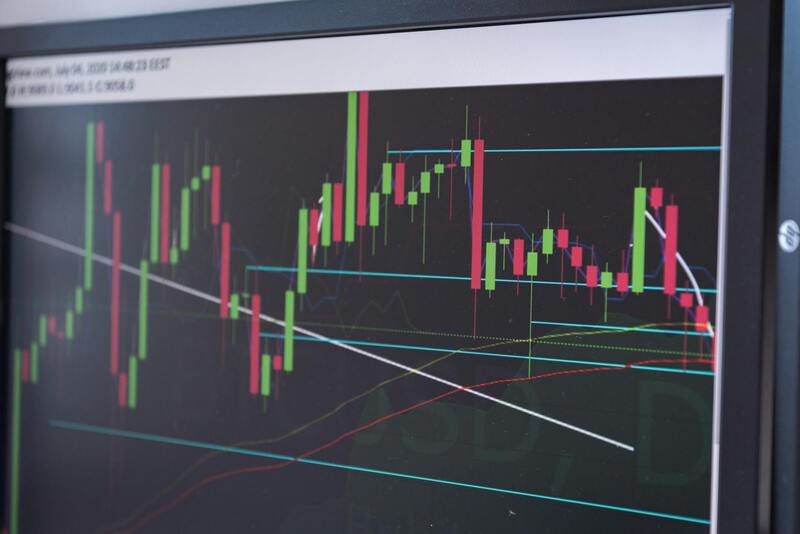
Trading Models Employed by Crypto Prop Firms
Crypto prop firms often implement diverse trading models to diversify risk and maximize profitability. These models are tailored to accommodate traders specializing in specific strategies or asset classes within the cryptocurrency sector. The main trading models include:
- Spot Trading: Involves the purchase and sale of cryptocurrencies at current market prices, suitable for traders focusing on long-term value accumulation.
- Margin Trading: Allows traders to borrow funds to amplify their positions, increasing the potential for higher returns within controlled risk parameters.
- Leverage Trading: Utilizes borrowed capital to enter larger positions, with risk mitigation strategies in place to protect against market volatility.
- Algorithmic Trading: Employs automated systems driven by pre-set algorithms to execute trades at high speed and efficiency, often used by traders with technical expertise.
This combination of models provides flexibility, enabling traders to adapt their strategies based on market conditions and personal expertise, while firms benefit from diversified market exposure and risk distribution.

Understanding the Role of Crypto Prop Firms in the Trading Ecosystem
Crypto proprietary trading firms have become pivotal players within the digital asset landscape, offering traders exclusive access to substantial capital pools and sophisticated trading infrastructure. These firms serve as catalysts for traders aiming to leverage their skills without the constraints of personal capital limitations. By funding talented traders, crypto prop firms enable strategic market participation, fostering an environment where professional trading strategies flourish, risk is managed more effectively, and profit-sharing models align incentives between the firm and the trader.

Unlike traditional trading, where investors directly manage their assets, crypto prop firms act as intermediaries that allocate capital to selected traders based on performance metrics, skillset, and strategic fit. This model not only democratizes access to significant funds but also promotes disciplined trading practices through structured evaluation processes. The firms often utilize advanced analytics, risk controls, and training modules to ensure traders operate within predefined risk parameters, enhancing stability across the trading ecosystem.
Distinct Types of Crypto Prop Firms and Their Operational Frameworks
Crypto prop firms adopt a variety of operational models tailored to different trading strategies and trader profiles. Understanding these models is vital for would-be traders and investors seeking optimal alignment with their risk appetite and expertise.
- Funding Programs: These programs typically involve traders undergoing evaluation periods where their skills are assessed through demo trading or small-scale live accounts. Successful candidates are then granted access to increased capital for trading larger volumes.
- Profit-Sharing Models: Most crypto prop firms operate on a profit-sharing basis, where traders receive a percentage of the profits generated. The firm's commission structures usually incentivize consistent performance and risk discipline.
- Mentorship and Analytics: Many firms integrate training modules, mentorship, and performance analytics to refine trading approaches, especially for newcomers or traders branching into new strategies.
These operational distinctions help tailor the trading environment to individual strengths, ensure ongoing professional development, and maintain an ecosystem conducive to sustainable profit generation.
Trading Strategies and Models Employed by Crypto Prop Firms
Crypto prop firms implement various trading models, each suited to specific market conditions and trader skills. A thorough grasp of these models allows traders to adapt their strategies dynamically:
- Spot Trading: This is the foundational trading model involving direct purchase and sale of cryptocurrencies at market prices, often favored for long-term investment horizons.
- Margin Trading: By borrowing capital, traders can amplify their positions, potentially increasing gains while managing trade-offs through tight risk controls.
- Leverage Trading: Utilizing borrowed funds to enter larger trades, leverage strategies require precise risk management but can significantly boost profit potential during favorable market movements.
- Algorithmic Trading: Automated trading systems execute trades based on pre-programmed algorithms, offering speed and efficiency, particularly in highly volatile environments.
Each model serves as a strategic tool, enabling traders to diversify their approach while firms benefit from reduced correlated risk across various strategies. This multifaceted methodology enhances the resilience of crypto prop trading operations in turbulent markets.
Key Considerations When Engaging with a Prop Firm for Crypto Trading
Potential traders should focus on adherence to transparent practices, performance standards, and resource availability when selecting a prop firm's offerings. Emphasizing verified performance histories, clear profit-sharing arrangements, and access to comprehensive trading support structures is essential to ensure a seamless and profitable partnership. Maintaining rigorous discipline, leveraging educational resources, and utilizing advanced trading tools further optimize success prospects.

Official and Proven Methods for Engaging with Crypto Prop Firms
When seeking to collaborate with a prop firm for crypto trading, ensuring that all interactions and transactions are carried out through official and verified channels is essential. This approach not only facilitates transparency but also safeguards traders from potential scams or unreliable entities. Most legitimate prop firms maintain a dedicated online platform where traders can access detailed information about their offerings, rules, and application procedures.
To initiate a partnership with a crypto prop firm, traders are typically required to go through an onboarding process that includes identity verification, trading proficiency assessments, and compliance checks. These processes are designed to ensure that all participants meet the firm’s standards for professionalism and risk management. Access to proprietary trading platforms is usually granted once registration and verification are complete, providing traders with secure and optimized environments for executing their strategies.
Engaging with a crypto prop firm through official channels guarantees adherence to the firm’s rules and regulations. It also allows traders to benefit from official support structures, such as dedicated account managers, technical support, and educational resources. These tools and personnel are critical for maintaining compliance and maximizing trading performance in line with established standards.
Furthermore, many reputable firms establish transparent performance tracking systems and profit-sharing models accessible via their official portals. This transparency helps traders to monitor their progress, evaluate their strategies, and ensure that all trading activities are conducted within the firm’s defined parameters. Utilizing verified platforms also minimizes the risks associated with document falsification or unauthorized transactions.
Payment processes, including funding deposits and profit distributions, are seamlessly handled through secure, official payment gateways integrated into the firm’s digital infrastructure. By using these verified methods, traders can be confident that all financial dealings adhere to strict security protocols, reducing vulnerability to fraudulent activity.
It is advisable to thoroughly review the terms of engagement and the available support services before committing to a particular crypto prop firm. Accessing comprehensive information and conducting due diligence via official websites and contact channels fortifies the partnership and lays the foundation for successful trading experiences.
Choosing to work exclusively through official methods underscores a commitment to professional standards and operational integrity—principles that are vital within the dynamic environment of crypto trading. Ensuring all interactions are properly documented and verified, traders can build a resilient and compliant trading regimen leveraging the structure and resources provided by legitimate prop firms.
Understanding the Challenge Systems and Evaluation Process in Crypto Prop Firms
Crypto proprietary trading firms implement structured challenge systems to assess the skills and strategy execution capabilities of prospective traders. These challenge programs are designed not merely as testing phases but as comprehensive evaluations that simulate real-market conditions while maintaining a controlled environment to ensure consistency in trading standards.
The evaluation process typically involves traders demonstrating their ability to adhere to specific risk management protocols, maintain disciplined trading behaviors, and achieve predefined profit targets within set timeframes. The challenge parameters are clearly outlined, including limitations on maximum drawdowns, daily loss caps, and leverage restrictions, to ensure traders demonstrate responsible trading practices that align with the firm’s risk appetite.
Throughout the challenge, traders are expected to actively manage their positions with a focus on strategic decision-making, sound judgment, and disciplined risk controls. The core aim is to assess whether the trader can consistently produce sustainable profits while managing downside risks effectively in fluctuating market conditions.

Verification and Validation of Trading Performance
Proper validation mechanisms are crucial in the challenge process. Authentic trading data, generated through official trading platforms integrated into the firm's ecosystem, ensures that all activity is verifiable and transparent. This prevents any manipulation or falsification of results, reinforcing the integrity of the evaluation process.
At the conclusion of the challenge, traders who meet or exceed the set benchmarks are typically offered a funded trading account which grants them access to the firm's capital for live trading. This transition from the evaluation phase to live trading underscores the importance of demonstrating consistency, discipline, and risk management prowess.
In addition to performance metrics, firms often evaluate the trader’s adherence to operational protocols, their ability to follow trading signals if applicable, and their capacity to maintain composure under market volatility. These factors collectively determine the trader’s eligibility for ongoing partnership with the prop firm, ultimately shaping their professional trading trajectory within the organization.

Overview of Crypto Prop Firms
Crypto proprietary firms, commonly known as prop firms, specialize in providing traders with access to substantial capital, enabling them to execute large-scale trades in the digital asset markets. These organizations are distinguished by their collaborative approach, where traders are evaluated through rigorous testing phases or trading challenges before being granted funded trading accounts. The primary objective is to identify skilled traders who can generate consistent profits while adhering to risk management protocols, thereby fostering a mutually beneficial relationship.

Types of Crypto Prop Firms and Trading Models
Crypto prop firms typically operate under various models that cater to different trading styles and expertise levels:
- Evaluation-Based Firms: These organizations conduct a structured assessment process, often called a trading challenge, to validate a trader’s ability to generate profits within predefined risk parameters. Successful completion grants access to a funded account.
- Continuous Funding Firms: Such firms provide ongoing capital to traders based on their proven track record, without requiring repeat challenges. They usually evaluate performance through detailed trading logs and profitability metrics.
- Hybrid Models: Combining aspects of evaluation and continuous funding, these firms test traders initially and offer further capital based on consistent performance and adherence to firm policies.
Trading models within these firms vary but generally include spot trading on various cryptocurrencies, futures trading, options trading, and arbitrage strategies. Firms may also emphasize algorithmic and quantitative trading, encouraging traders to leverage technological tools to optimize their strategies.
Advantages of Using a Prop Firm for Crypto Trading
Engaging with a reputable crypto prop firm offers several distinctive advantages:
- Access to Significant Capital: Traders gain the ability to deploy larger trades than they could independently, increasing profit potential while sharing risk management responsibilities.
- Risk Mitigation: Prop firms typically set strict risk parameters, protecting both the firm’s and the trader’s capital. This risk-sharing fosters disciplined trading practices.
- Educational and Support Resources: Many prop firms provide traders with advanced tools, market analysis, and mentorship programs, enhancing their skill set and market understanding.
- Performance-Based Rewards: Traders can earn substantial incentives based on their profitability, often maintaining a significant portion of the profits they generate.
- Operational Transparency: Firms utilize official trading platforms integrated with tracking systems that ensure all trading activities are verifiable and compliant with the evaluation criteria.

How Crypto Prop Firm Challenges Work
Prominent in the industry are challenge-based evaluation processes, where prospective traders are tasked with demonstrating their skills in simulated or real-market environments. These challenges generally consist of the following stages:
- Registration and Account Setup: Traders initiate the process by creating an account, often linked to an official trading platform sponsored or integrated with the firm’s ecosystem.
- Trading Challenge Period: Participants trade within the specified rules, aiming to meet profit targets without surpassing maximum drawdown limits. The challenge tests consistency, risk discipline, and adaptability in volatile market conditions.
- Evaluation and Validation: The firm reviews trading data generated through official platforms, ensuring all activities are legitimate and within compliance protocols. Only verified results are considered for account funding.
- Funding and Transition: Successful traders are granted access to live trading accounts with the firm’s capital, allowing them to execute real trades and share in the profits generated.
Throughout this process, traders are assessed not only on profitability but also on their ability to follow operational protocols, risk management guidelines, and maintain composure during market fluctuations. This comprehensive evaluation mechanism upholds the integrity of the trading environment and ensures that only the most disciplined and skilled traders advance.

Crypto Prop Firm Challenges: Strategies and Best Practices
Prospective traders aiming to secure funding from crypto prop firms must master the art of navigating their trading challenge mechanisms. These challenges are designed to measure skill, discipline, and strategic thinking under real-market conditions, critically assessing a trader’s ability to manage risk while striving for profitability.
Understanding the Structure of Crypto Trading Challenges
Crypto prop firms typically design these challenges to emulate daily trading environments, with specific rules and goals meant to evaluate a trader’s performance comprehensively. The process usually begins with registration and account setup, where traders link to official platforms integrated with the firm's systems. Once established, traders enter a challenge period, during which they execute trades within predefined parameters.

Key Components of Trading Challenges
- Profit Targets: Defined milestones that traders need to achieve within the challenge timeframe. These targets serve as benchmarks for successful trading strategies.
- Maximum Drawdown Limits: Restrictions on the largest allowable decline in trading equity, emphasizing the importance of risk management.
- Timeframes: Ranging from a few weeks to a couple of months, these periods test consistency and sustained profitability under market volatility.
- Trading Rules: Specific guidelines on trade sizes, permissible instruments, and approach restrictions such as avoiding high-risk strategies.
Effective Strategies for Completing Crypto Prop Challenges
Successful traders approach these challenges with discipline and a strategic mindset, focusing on risk-adjusted returns. Key tactics include:
- Risk Management: Maintaining disciplined stop-loss orders to avoid significant drawdowns and preserve capital.
- Consistent Profitability: Managing trades to generate steady gains rather than seeking excessive short-term profits, which can increase risk exposure.
- Market Analysis: Combining technical analysis with a clear understanding of market sentiment for better entry and exit points.
- Emotion Control: Staying composed during high volatility, avoiding impulsive decisions that violate trading rules.
- Adherence to Rules: Strictly following the challenge specifications—overtrading or rule violations often lead to disqualification.
Evaluating Performance and Moving Forward
Post-challenge, firms meticulously analyze trading data, emphasizing adherence to established protocols alongside profit metrics. Traders who demonstrate consistent, rule-compliant performance are considered for funding. The evaluation process ensures that only those who show discipline and resilience advance to the next phase of trading with firm capital.
Best Practices for Navigating Crypto Prop Firm Challenges
To improve chances of success, traders should approach challenges with a structured plan. Here are some best practices:
- Develop a Robust Trading Plan: Define clear entry and exit criteria, risk limits, and evaluation metrics.
- Simulate Prior to Challenge Entry: Practice in demo environments to refine strategies under similar constraints.
- Maintain Risk Discipline: Avoid overleveraging or excessive trade size, and adhere to maximum drawdowns.
- Focus on Consistency: Prioritize steady gains over risky, high-volatility trades to meet profit targets reliably.
- Track Progress Thoroughly: Keep detailed records of trading activity, review results regularly, and adjust strategies accordingly.
Monitoring the Evolution of Crypto Challenge Formats
As the industry advances, challenge formats become more sophisticated, incorporating real-time risk management assessments, adaptive rules based on trader performance, and integrated analytics tools for comprehensive evaluation. This ensures an environment that promotes disciplined trading, aligns with evolving market conditions, and sustains high standards across participating traders.
Future Trends in Crypto Prop Trading
Emergence of Institutional Involvement
As the crypto trading landscape continues to mature, more institutional players are recognizing the value of prop trading models. These entities, ranging from hedge funds to asset managers, are increasingly establishing partnerships with proprietary trading firms or developing their own internal teams. This shift introduces a higher level of sophistication and resource allocation, enabling traders to access advanced tools, research, and risk management solutions. Such involvement also tends to elevate the standards of professionalism within the industry, fostering a more disciplined trading environment and encouraging the development of more structured training and onboarding processes for emerging traders.
Innovative Funding Models and Capital Access
Traditional prop trading relied heavily on firm capital allocated upfront, but the advent of new funding models is democratizing access to trading opportunities. These models include profit-sharing arrangements, tiered scaling plans, and performance-based funding, which allow traders to operate with minimal initial capital while benefiting from the firm's resources as they demonstrate consistent profitability. Such arrangements incentivize disciplined trading as traders' earnings grow proportionally with their skills and adherence to risk protocols, thus fostering a culture of accountability and continuous improvement. Furthermore, automated capital allocation platforms are emerging, offering real-time adjustments to a trader’s capital based on their recent performance and risk profile, further refining the funding landscape within crypto prop trading.
Technological Advancements Enhancing Trading Efficiency
Technological progress remains a cornerstone of future developments. Artificial intelligence and machine learning algorithms are now being integrated into trading platforms, providing traders with predictive analytics, sentiment analysis, and real-time risk assessments that can significantly enhance decision-making. Additionally, the adoption of blockchain-based solutions for transparent record-keeping and execution tracking ensures a secure, tamper-proof environment. Automated trading systems are evolving to accommodate more adaptive strategies, allowing traders to capitalize on market volatility with minimal manual intervention while maintaining strict compliance with risk management rules. These technological advances collectively contribute to higher efficiency, lower operational costs, and improved overall performance within crypto prop firms.
Growing Regulatory Frameworks and Market Oversight
As the industry expands, a more structured regulatory environment is beginning to shape the way crypto prop firms operate. Enhanced oversight aims to promote transparency, protect traders, and ensure responsible trading practices. Firms are increasingly adopting standardized compliance procedures, conducting rigorous audits, and implementing Transparent risk management protocols. This oversight not only helps in reducing fraudulent activities but also bolsters trader confidence and institutional trust in proprietary trading ventures. Navigating this evolving regulatory landscape will require firms to maintain high standards of integrity, adopt robust compliance systems, and stay proactive in adapting to new guidelines.
Conclusion: Shaping a Resilient and Innovative Ecosystem
The future trajectory of crypto prop trading is characterized by technological innovation, inclusive funding models, institutional engagement, and a strengthened oversight mechanism. These developments are expected to foster a more resilient, efficient, and transparent ecosystem, opening new avenues for traders and firms alike. As market conditions evolve, staying abreast of these trends will be essential for traders seeking to leverage the full potential offered by reputable crypto prop firms, ensuring sustainable growth and success within the rapidly changing digital asset space.
Related Tags
