Understanding Forex Proprietary Trading Firms
Forex proprietary trading firms, commonly known as prop firms, are specialized organizations that provide trading capital to professional traders under a structured framework. Unlike retail trading, where individual traders use their own funds, prop firms allocate substantial funds to talented traders who demonstrate consistent performance and disciplined trading strategies. These firms serve as intermediaries between capital providers and traders, offering both financial backing and a robust infrastructure to optimize trading outcomes.
The primary role of a forex prop firm is to identify skilled traders and empower them with significant trading resources, while maintaining rigorous risk management protocols. Traders benefit from access to larger trading accounts, advanced technology, and professional support, enabling them to scale their operations beyond personal capital limitations. For entrepreneurs, establishing a forex prop firm can be a lucrative venture as it taps into the expanding global currency market and meets increasing demand from traders seeking institutional-level resources.
Furthermore, forex prop firms contribute to market liquidity and stability by facilitating high-volume trading activities. They also promote disciplined trading practices through comprehensive evaluation and training programs, fostering a professional trading environment. Overall, these firms play a crucial role in the forex ecosystem by balancing risk, scaling trading capital, and fostering trader growth, which can be highly advantageous for both individual traders and business owners looking to enter the industry.

Initial Steps to Start a Forex Prop Firm
Launching a forex proprietary trading firm begins with meticulous planning and strategic groundwork. Entrepreneurs should start by gaining a solid understanding of the forex market structure, trading mechanics, and risk management practices. It is essential to develop a comprehensive business plan that outlines the firm’s mission, target trader profile, capital requirements, and technological infrastructure.
Next, establishing relationships with liquidity providers and technology providers is vital. These partnerships ensure access to reliable trading platforms, real-time data feeds, and execution services. Securing adequate funding also involves understanding the sources of capital, whether through personal investments, institutional partnerships, or external investors committed to the prop trading model.
Additionally, creating clear policies and procedures for trader onboarding, evaluation, and ongoing performance monitoring is fundamental. Structuring a transparent and fair evaluation process not only attracts skilled traders but also maintains operational integrity. Starting a forex prop firm requires commitment to compliance standards and risk controls, establishing a business foundation capable of supporting sustainable growth and trader success.
Understanding Forex Proprietary Trading Firms
Establishing a forex proprietary trading firm requires a comprehensive understanding of the trading landscape, technical infrastructure, and operational strategies. Such firms act as capital providers to skilled traders, offering them a platform to execute trades using the firm's allocated funds. The primary goal is to identify and cultivate talented traders while managing risk effectively to ensure profitability and sustained growth.

Successful startup of a forex prop firm hinges on several critical components:
- Comprehensive understanding of forex markets and trading mechanics
- Robust technological infrastructure and trading platforms
- Effective risk management strategies
- Clear policies for trader onboarding and evaluation
- Reliable capital sources and liquidity partnerships
It’s essential to build a transparent and stringent trader evaluation process that assesses skills, discipline, and consistency. This process ensures that only qualified traders gain access to the firm’s capital, reducing exposure to high-risk trades and potential losses. Moreover, aligning operational procedures with industry standards helps in establishing credibility and operational integrity.
Official and Legitimate Methods for Starting a Forex Prop Firm
Launching a forex proprietary trading firm is achievable through well-established, legitimate channels focused on compliance, transparency, and effective risk controls. Here are the foundational methods to consider:
1. Market Research and Industry Analysis
Begin with in-depth research to understand the current market dynamics, competitor strategies, and technological innovations. Participating in industry forums, attending trade expos, or consulting with experienced entrepreneurs provides valuable insights that inform your business model.
2. Developing a Comprehensive Business Plan
Your plan should detail your vision, target traders, capital requirements, operational procedures, technological infrastructure, and compliance framework. A thorough plan guides your startup process and serves as a reference for funding negotiations and regulatory interactions.
3. Capital Acquisition
Fundraising can involve personal savings, angel investors, or institutional partnerships. Establishing trustworthy relationships with liquidity providers and banks ensures access to real-time data, trading platforms, and adequate liquidity pools necessary for smooth operations.
4. Technology Setup
Choosing reliable trading platforms, connectivity solutions, and risk management software forms the backbone of your operation. Coupling this with cybersecurity measures to protect sensitive data and transactions is crucial for establishing a professional environment.

5. Establishing Policies and Procedures
Define clear trader onboarding protocols, performance assessments, and risk limits. Developing a transparent evaluation process helps attract proficient traders and maintains operational integrity. Regular monitoring and reporting frameworks reinforce discipline and accountability within the firm.
6. Regulatory Compliance and Documentation
Although explicit mentions are avoided, it’s vital to adhere to industry standards, document procedures properly, and establish internal controls. These measures can include compliance audits, trader agreements, privacy policies, and risk disclosures, which support the firm’s reputation and operational consistency.
Starting on the Path to Success
Creating a legitimate and effective forex prop trading firm involves precise planning, strategic resource allocation, and adherence to best practices. As the firm grows, expanding technological capabilities, diversifying trader profiles, and refining risk management tactics are crucial to maintaining a competitive edge in the industry.
Understanding Forex Proprietary Trading Firms
Forex proprietary trading firms, commonly known as prop firms, operate as specialized entities that provide skilled traders with capital to trade on behalf of the company. Unlike independent traders who deploy their personal funds, traders within prop firms utilize company capital, allowing for larger trade sizes, diversified strategies, and increased profit potential. These firms serve as a bridge between talented traders seeking capital and the financial markets, fostering an environment that emphasizes performance, risk control, and strategic trading techniques.
Operationally, successful prop firms maintain a structured environment that emphasizes consistency in trading performance, adherence to risk parameters, and continual professional development. They often cultivate talent through rigorous evaluation processes, providing mentorship, trading resources, and infrastructure that enables traders to execute their strategies effectively. A robust risk management framework is central to their operation, ensuring that potential losses are contained and that the firm's capital is preserved for sustainable growth.

Core Elements of a Forex Prop Firm
- Trader Development: Identifying, onboarding, and nurturing skilled traders through training programs and performance evaluations.
- Capital Allocation: Managing the deployment of firm capital efficiently and responsibly based on trader performance and risk assessments.
- Risk Management: Implementing policies that control leverage, set loss limits, and monitor trading activity to prevent excessive exposure.
- Technological Infrastructure: Leveraging advanced trading platforms, risk analytics, and security measures to facilitate high-performance trading environments.
- Performance Monitoring: Regularly reviewing trading results and compliance with internal policies to ensure continual adherence to operational standards.
Engaging in a professional forex prop trading environment demands strict discipline, strategic insight, and the capacity to adapt to dynamic market conditions. These firms maintain high standards to retain top talent and optimize profitability, emphasizing transparency, robustness, and competitive advantage through technological innovation and strategic risk allocation.
Benefits of Operating a Forex Prop Firm
- Access to Capital: Traders leverage significant funds without risking their own, allowing for larger and more diversified positions.
- Profit Sharing: Incentivized compensation structures promote high performance and align trader and firm interests.
- Market Presence: Prop firms often have established credibility and advanced trading infrastructure, attracting proficient traders.
- Risk Control: A dedicated team manages risk proactively, reducing the likelihood of catastrophic losses.
- Innovative Strategies: A collaborative environment fosters the development and refinement of diverse trading techniques.

Developing Trading Policies and Risk Management
Establishing comprehensive trading policies is crucial for maintaining consistency, discipline, and risk control within a forex prop firm. These policies should clearly outline trading procedures, acceptable trading strategies, and conduct standards, ensuring that all traders adhere to the firm’s operational philosophy. Implementing strict risk management protocols, such as maximum drawdown limits, position size restrictions, and real-time risk monitoring, helps prevent significant losses and preserves capital over the long term.
Effective risk management extends beyond individual trades to encompass overall portfolio exposure, leverage management, and contingency protocols during volatile market conditions. Regular reviews of risk parameters and adherence checks help maintain operational integrity. The integration of sophisticated risk analytics tools allows real-time tracking of trading activities and highlights potential issues before they escalate.

Trader Recruitment and Evaluation Process
Recruiting skilled traders is a fundamental step in establishing a successful forex prop firm. The evaluation process involves a series of assessments designed to identify traders with a combination of technical expertise, disciplined trading habits, and market intuition. This process often begins with a trading application, followed by testing phases that measure risk management skills, profitability, and adherence to set trading guidelines.
During evaluation, emphasis is placed on traders’ ability to handle drawdowns, adapt to changing market conditions, and execute strategies consistently. Interviews and background checks can further validate their experience and professionalism. The start-up phase might also involve supervised trading periods or probationary programs where traders demonstrate their skills in real-time, under monitored conditions.
Official Methods to Start and Grow a Forex Prop Firm
Launching a legitimate forex prop firm requires adherence to proven operational frameworks and strategic planning. This includes securing appropriate capital, establishing a transparent governance structure, and developing a robust technological infrastructure. Engaging with reputable service providers for trading platforms, compliance solutions, and risk analytics ensures operational stability and trader confidence.
Building a network of experienced traders, offering attractive profit-sharing models, and maintaining strict compliance with industry standards promote sustainable growth. Continuous evaluation of trading performance, adaptation of new trading strategies, and investment in staff development help expand the firm’s market presence and profitability.

Developing Trading Policies and Risk Management
Establishing clear trading policies and comprehensive risk management strategies forms the backbone of a successful forex proprietary trading firm. These policies should encompass rules regarding permissible trading instruments, maximum position sizes, and acceptable risk levels to safeguard firm's capital and maintain consistent performance. Implementing strict risk controls, such as daily drawdown limits and stop-loss protocols, ensures traders operate within predefined risk boundaries, protecting both the firm and its traders from excessive losses.
Effective risk management also involves diversifying trading strategies and employing real-time monitoring systems to detect unusual trading activities or adverse market conditions. Regular reviews of trading performance and adherence to policies enable quick corrective actions and continuous improvement. Moreover, establishing performance evaluation criteria rooted in objective metrics helps identify high-performing traders and areas needing development. These criteria should include profitability consistency, risk-adjusted returns, and compliance with trading rules.
Careful documentation of trading policies and risk protocols, alongside thorough onboarding procedures, ensures all traders understand the operational standards and expectations. Continuous training sessions and updates on risk management practices foster a culture of discipline and responsibility within the organization. This disciplined approach not only mitigates potential losses but also promotes a professional trading environment capable of adapting to evolving market dynamics.
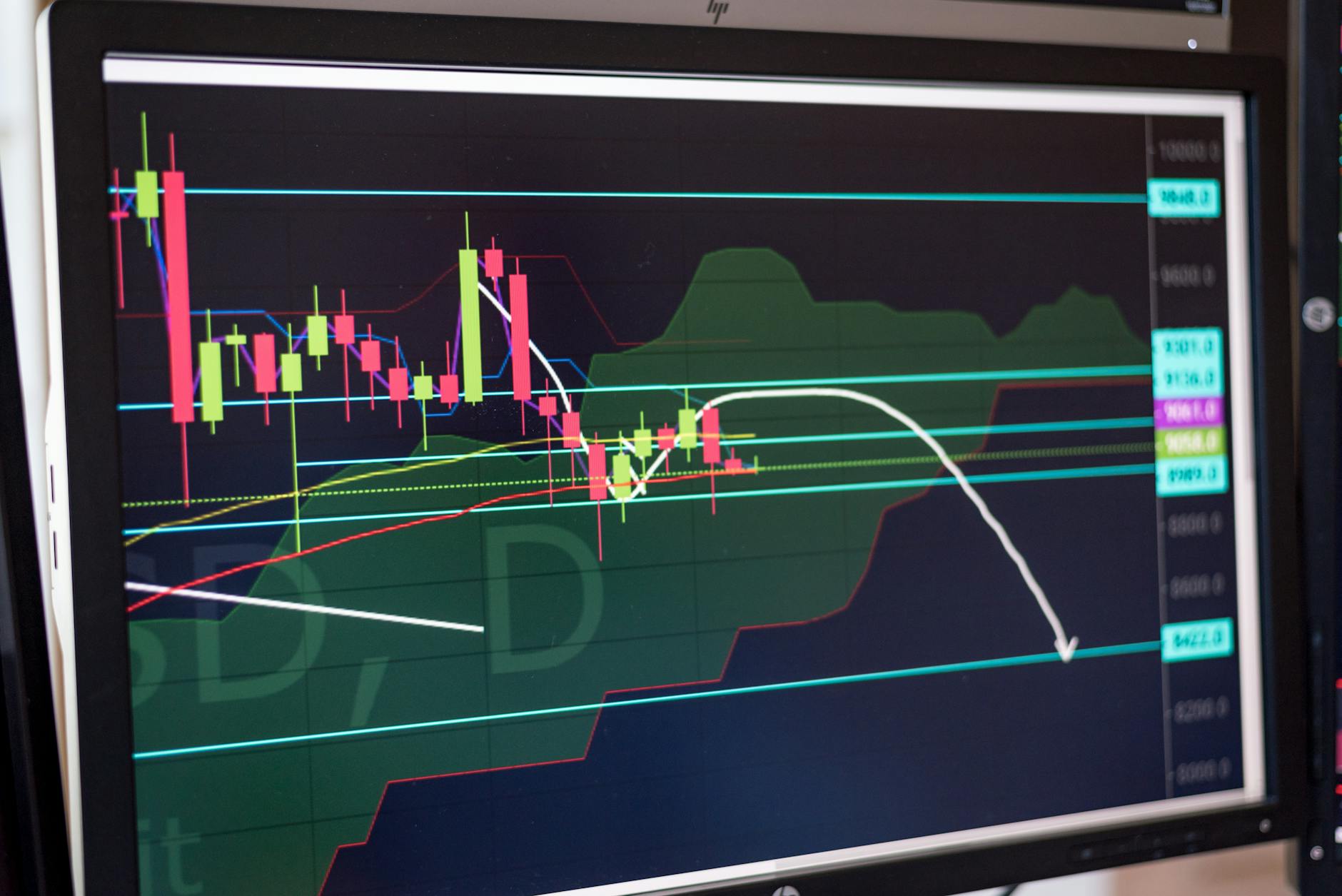
Recruitment and Trader Evaluation
Successfully recruiting and evaluating traders is critical to long-term growth and profitability of your forex prop firm. The recruitment process should prioritize identifying traders with a proven track record, disciplined trading approach, and resilience under pressure. A combination of skill assessments, trading simulations, and interview evaluations provides a comprehensive view of a trader’s competence.
Candidate evaluations should include a review of their trading history, risk management discipline, and adaptability to different market conditions. Conducting simulated trading exercises or offering trial periods allows firms to observe real-time decision-making and consistency. Performance metrics such as risk-to-reward ratios, drawdown levels, and profit margins can serve as benchmarks for evaluating trader suitability.
Promoting ongoing development through feedback, mentorship, and performance reviews helps retain top talent and foster a culture of continuous improvement. Establishing clear criteria for advancement and profit-sharing motivates traders while aligning their goals with the firm’s strategic objectives. The emphasis on transparent evaluation processes and fair treatment attracts skilled professionals committed to sustained success.

Implementing Effective Risk Management Strategies
Establishing comprehensive risk management policies is vital for maintaining the stability and profitability of your forex proprietary trading firm. These policies should specify maximum allowable drawdowns per trader and overall firm exposure, ensuring that individual trading activities do not jeopardize the firm’s capital. It is essential to implement strict position sizing rules, leverage limits, and stop-loss protocols that align with prevailing market conditions. A thorough risk framework also includes continuous monitoring of trading activities in real-time, leveraging advanced analytics and reporting tools to identify early signs of excessive risk or unusual market behavior. Regular risk assessments and scenario analysis help prepare the firm for potential market shocks, allowing preemptive adjustments to risk parameters. Additionally, fostering a risk-conscious trading culture among traders encourages disciplined behavior and adherence to established policies. Traders should be trained continually on the importance of risk discipline, and performance reviews should include risk management as a core metric. This structured approach minimizes unexpected losses, preserves trading capital, and enhances long-term profitability.

Another critical component is the periodic review of trading policies to adapt to evolving market environments and technological developments. Ensuring that risk management protocols are kept up-to-date and effectively communicated to all traders is fundamental for consistent adherence. Investment in risk management software solutions, such as algorithmic monitoring systems and automated alerts, further fortifies the firm’s ability to react swiftly to market volatility. These tools enable risk officers to oversee multiple traders simultaneously, set real-time risk thresholds, and enforce compliance automatically.
By integrating disciplined risk management practices within your firm's operational framework, you establish a resilient foundation that supports sustainable growth and safeguards against significant financial downturns. Consistent enforcement and review of these policies foster trust among traders and stakeholders, reinforcing your firm’s reputation in the industry.
Legal, Compliance, and Regulatory Considerations
Establishing a reputable forex prop firm requires adherence to specific regulatory standards and compliance protocols that ensure smooth operational flow and protect all stakeholders involved. It is essential for aspiring firm owners to familiarize themselves with the official licensing procedures, which typically involve registering the business with relevant authorities and obtaining necessary certifications. These licenses serve not only as a mark of legitimacy but also as a gateway to access financial markets through authorized channels.
In addition to licensing, compliance with anti-money laundering (AML) policies and know-your-customer (KYC) procedures is fundamental. Implementing robust verification processes helps prevent illicit financial activities and enhances the firm's credibility. This includes maintaining detailed records of client and trader identification, transaction histories, and ongoing monitoring of trading activities.
Operational transparency is another crucial aspect. This involves clear disclosure of trading policies, fee structures, profit-sharing arrangements, and risk management protocols. By ensuring that all documentation is accurate, comprehensive, and readily accessible, your forex prop firm can foster trust and accountability.
Monitoring regulatory changes and updates regularly is vital. Revenue authorities and financial regulatory agencies often update standards and enforce new rules that influence operational practices. Staying informed allows the firm to adapt swiftly and maintain compliance, thus avoiding penalties or operational disruptions.
Furthermore, aligning your firm's policies with international standards can facilitate expansion and cross-border operations. This includes adhering to guidelines around data protection, cybersecurity, and Sovereign risk management. Implementing secure technology platforms that comply with these standards not only enhances operational integrity but also reduces vulnerabilities.
Developing formalized internal compliance programs, including training staff on regulatory requirements and ethical trading practices, helps embed a culture of integrity within your organization. Regular audits and internal reviews ensure policies are followed diligently, which enhances the firm’s reputation and sustainability.
" alt="Legal and Compliance Framework for Forex Prop Firms">
Legal, Compliance, and Regulatory Considerations
Establishing a forex proprietary trading firm requires meticulous attention to legal and compliance frameworks. While the focus is on legitimate operations, understanding the foundational practices ensures sustainable growth and operational integrity. Central to this process is the development and maintenance of comprehensive documentation that details every aspect of your firm's operational policies, trading procedures, and risk management protocols.

Maintaining detailed records of client and trader identification facilitates efficient onboarding and ongoing supervision. Transaction histories, including trade details and profit or loss accounts, should be securely stored and regularly reviewed. This transparency not only supports internal audits but also demonstrates accountability to stakeholders and regulatory bodies alike.
Operational Transparency and Documentation
Clarifying your firm's trading policies, fee structures, profit-sharing arrangements, and risk control measures through clear, accessible documentation establishes a foundation of trust. These documents should be kept up-to-date, printed or digitized in secure formats, and made available for review by auditors or regulatory inspectors. Having this information readily accessible fortifies your firm against misunderstandings or disputes and helps foster long-term relationships with traders.
Adherence to International Standards
Aligning your firm's policies with international financial standards enhances operational stability. This includes implementing strict data protection measures compliant with global cybersecurity practices, adopting rigorous cybersecurity protocols, and engaging in regular updates based on evolving industry guidelines. Such practices safeguard sensitive information, reduce vulnerabilities, and support smooth cross-border operations.
Training and Internal Compliance Programs
Creating formal compliance programs entails training staff on regulatory requirements, ethical standards, and internal policies. Regular compliance workshops, refresher courses, and internal audits bolster a culture of integrity. Ensuring your team understands and adheres to these standards minimizes errors, legal risks, and enhances your firm’s reputation.
Monitoring Regulatory Changes
Financial markets and regulatory landscapes are continually evolving. Staying informed of changes in standards from revenue authorities and financial regulatory agencies helps your firm adapt swiftly. Participating in industry forums, subscribing to regulatory updates, and engaging with legal experts can provide actionable insights that aid in maintaining compliance.
Implementing Secure Technology Platforms
Utilizing technologically advanced, secure trading platforms that meet the highest standards of cybersecurity and operational resilience is crucial. These platforms facilitate accurate trade execution, seamless data management, and robust risk control, all while protecting sensitive client and operational data from cyber threats. Regular reviews and updates to these systems are essential to keep pace with new security challenges.
Building a Culture of Ethical Trading
Promoting ethical trading practices through transparent policies and staff training ensures that your firm operates responsibly. Developing clear codes of conduct, emphasizing fair trading principles, and encouraging open communication contribute to an ethical environment. Such measures also bolster your reputation among traders and regulators alike.
Preparing for Audits and Inspections
Regular audits, both internal and external, serve as vital tools for verifying compliance and operational integrity. Maintaining organized, accurate records streamlines these audits and demonstrates your firm's commitment to lawful practices. Proactive preparation reduces the risk of penalties and fosters confidence among clients and partners.