
Understanding Prop Firms for Crypto Trading
Proprietary trading firms, commonly known as prop firms, have become integral players within the digital asset trading landscape. These firms operate by using their own capital to trade various cryptocurrencies, aiming to generate profits through skillful market strategies. Unlike retail traders who rely on personal funds, traders within a prop firm access substantial resources, technological tools, and expert support designed to maximize their trading potential.
The primary purpose of establishing a crypto prop firm is to formalize trading operations, consolidate capital, and create structured environments for skilled traders to operate efficiently. For aspiring entrepreneurs in the United States, creating a prop firm offers an avenue to leverage advanced trading infrastructure, benefit from diversified capital pools, and foster professional trading talents under a recognized corporate entity.
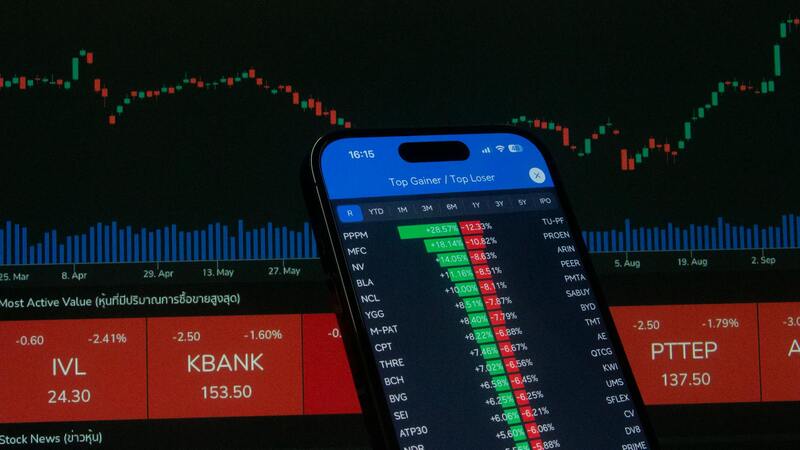
Benefits of creating a prop firm in the USA include access to a large and sophisticated financial market, a thriving technological ecosystem, and a legal environment conducive to business operations in financial services. Moreover, the ability to build a brand and reputation within the rapidly evolving crypto industry can lead to long-term growth and increased capital allocation. Establishing a legitimate entity also provides a structured framework for compliance, investor relations, and operational scalability.

Creating a successful crypto prop firm begins with understanding its role in the broader financial industry. It acts as a hub where skilled traders and institutional-grade resources converge, facilitating high-volume trading strategies that can adapt swiftly to market changes. The firm's infrastructure—ranging from sophisticated trading algorithms to risk management systems—is vital to sustaining profitable operations and building a robust trading ecosystem.
For entrepreneurs interested in launching a prop firm within the United States, familiarity with industry standards, technology deployment, and strategic planning are fundamental. This foundational knowledge ensures that all aspects of the firm’s creation align with best practices and pave the way for sustainable growth in a highly competitive market.
Understanding Prop Firms for Crypto Trading
Creating a prop firm dedicated to cryptocurrency trading involves developing a structured entity that facilitates high-stakes trading activities through designated traders and institutional resources. These firms serve as collaborative environments where skilled traders can leverage firm capital to execute large-volume trades, with the goal of generating profits that are then shared according to predefined agreements. Establishing such a firm requires a comprehensive understanding of both the operational dynamics and the technical infrastructure necessary for sustainable success.

Core Functions of a Crypto Prop Firm
- Capital Allocation: The firm provides traders with the necessary funds, enabling them to execute large trades without risking their personal capital.
- Strategic Trading: Traders employ sophisticated strategies, utilizing analytical tools, algorithmic trading, and market data analysis to capitalize on market movements.
- Risk Management: Implementing advanced risk controls is vital. This includes setting trade limits, stop-loss orders, and real-time monitoring to mitigate potential losses.
- Profit Sharing: The firm establishes transparent profit distribution models, incentivizing traders and ensuring alignment of interests.
- Operational Infrastructure: Robust trading platforms, secure data management, and compliance systems form the backbone of daily operations.
Technical Infrastructure and Market Access
One of the fundamental aspects of creating a successful prop firm involves choosing reliable trading platforms that support cryptocurrency markets. Such platforms should offer high-speed execution, advanced charting tools, and compatibility with algorithmic trading systems. Equally important is ensuring secure connectivity to multiple exchanges for diversified market access, reducing trading risks and maximizing profit opportunities.

Operational Strategy and Business Planning
Developing a coherent business model is essential for long-term viability. This includes defining target markets, risk appetite, trading styles (such as day trading or swing trading), and profit-sharing structures. Establishing clear operational protocols helps streamline activities and maintain consistency across trading teams. Moreover, understanding the competitive landscape enables the firm to identify niches, leverage technological advantages, and adapt swiftly to evolving market conditions.
Compliance and Regulatory Considerations
While not explicitly detailed here, establishing a crypto prop firm involves adhering to industry standards that promote operational transparency and investor confidence. This includes implementing rigorous record-keeping, maintaining clear policies on trading practices, and ensuring that the firm's operations align with relevant financial guidelines.
In summary, creating a prop firm in the crypto trading space demands a combination of strategic planning, technological investment, and operational discipline. The goal is to develop a resilient structure that supports skilled traders, manages risk effectively, and adapts to the rapid shifts characteristic of modern cryptocurrency markets.
Developing a Robust Operational Infrastructure
Establishing a reliable operational infrastructure is vital for the seamless functioning of a crypto prop firm. This involves integrating advanced trading platforms with high-speed execution capabilities, ensuring minimal latency and maximum order accuracy. The infrastructure should cater to the needs of trading teams, offering secure data storage, real-time market data feeds, and comprehensive analytics tools that aid in decision-making.
Automation plays a critical role. Implementing trading bots, algorithmic strategies, and risk monitoring systems allows the firm to maintain consistent performance while reducing manual errors. Additionally, cloud-based solutions can offer scalability, flexibility, and robust security protocols, which are essential to accommodate growth and protect sensitive information.

Operational protocols should be standardized across all teams to ensure compliance and efficiency. This includes establishing clear procedures for trade execution, risk management, and data handling. Regular audits and updates to these protocols help maintain high standards and adapt to emerging market conditions.
Implementing Risk Management Frameworks
Risk management is at the core of creating a resilient prop firm. This begins with setting strict limits on trade sizes, stop-loss orders, and margin requirements tailored to each trading strategy. Sophisticated risk assessment tools should monitor exposure across all trading positions, providing early warnings for potential issues.
Employing a diversified approach to risk helps protect capital during market volatility. For example, balancing high-frequency day trading with longer-term swing strategies can mitigate losses during turbulent periods. Additionally, establishing clear protocols for trader accountability ensures that deviations from approved risk parameters are promptly addressed.
Fostering a Skilled Trading Environment
Trader development is an ongoing process that contributes significantly to a prop firm's success. Providing access to continuous training, access to the latest analytical tools, and fostering a collaborative environment encourages skill enhancement. Clear performance metrics and regular feedback sessions maintain high standards and motivate traders to refine their strategies.
Mentorship programs and performance-based incentives can further motivate traders to achieve consistent results. Equipping traders with comprehensive risk awareness and disciplined trading habits is essential to sustain long-term profitability.

Integrating these elements into a cohesive operational framework allows a crypto prop firm to operate efficiently, adapt swiftly to market changes, and uphold profitable trading practices across the organization.
Establishing Official Methods to Create a Prop Firm in Crypto Trading
Building a reputable crypto proprietary trading firm requires adherence to structured, transparent procedures that align with industry standards and operational integrity. The process begins with thorough market research to understand the current landscape of crypto trading, identifying niches, regulatory expectations, and the competitive environment. This foundational knowledge informs the creation of a comprehensive business plan that details the firm’s objectives, target markets, risk management protocols, and growth strategies.

Next, legal registration is a crucial step. This involves selecting a suitable business structure, such as an LLC or corporation, depending on jurisdictional advantages. Registration with relevant authorities and obtaining any necessary licenses or permits for trading activities establish an official operational status. These steps not only legitimize the business but also build trust with banking institutions, trading platforms, and clients.
Securing appropriate funding is vital. This can be achieved through personal capital, angel investors, or seed funding rounds. Maintaining transparency with investors and stakeholders ensures clarity about the firm’s financial health and investment risks. Alongside, establishing partnerships with financial institutions and crypto exchanges enhances liquidity access and trading capability.

Implementing robust risk management and compliance protocols is fundamental. This involves creating clear trading guidelines, internal audit procedures, and compliance checks to adhere to anti-money laundering (AML) and know your customer (KYC) regulations. Using advanced software tools for transaction monitoring and reporting guarantees ongoing adherence to regulatory standards and operational transparency.
Recruitment of skilled professionals and experienced traders should be carried out through transparent and merit-based processes. Employing thorough vetting procedures, background checks, and skill assessments ensures the recruitment of capable individuals. Establishing a solid training and mentorship program promotes continued skill development among traders, reinforcing the firm's professionalism and longevity.

Finally, adopting advanced trading technology and integrating reliable software solutions plays a critical role in operational efficiency. This includes selecting high-performance trading platforms, risk analysis tools, and automated order execution systems tailored for crypto markets. Continuous technological updates and cybersecurity measures protect the firm’s assets and data, ensuring a smooth and secure trading environment.
Following these methods systematically leads to the successful creation of a reputable and compliant crypto prop trading firm, positioned for sustainable growth and operational excellence.
Developing a Prop Firm Business Model
Constructing a robust business model is critical for the success and sustainability of a crypto prop firm. This involves deciding on a revenue-sharing structure, establishing effective funding channels, and designing trading account management strategies that align with the firm’s growth objectives. A clear and transparent model not only attracts skilled traders but also fosters trust among stakeholders.
Profit-Sharing and Incentive Structures
One of the core elements in a prop firm’s business model is how profits are distributed between the firm and its traders. Common models include flat fee models, performance-based commissions, and profit splits that incentivize traders to maximize their performance. Structuring these incentives logicly ensures traders are motivated to perform at their best while maintaining the firm’s profitability.

Funding Strategies
Securing capital is essential for launching and scaling a crypto prop trading operation. Traditional funding sources such as personal savings, angel investors, or venture capital can be tapped initially. Additionally, partnerships with institutional investors or crypto-focused investment firms may provide significant capital infusion, enabling the firm to handle larger trading volumes and diversify its risk exposure. Developing a compelling business plan and demonstrating a track record of successful trading strategies are crucial when attracting external funding.
Structuring Trading Accounts and Risk Management
Effective account management is vital for maintaining operational consistency and safeguarding assets. This involves setting trading limits, leverage parameters, and risk management protocols that protect both the firm and its traders. Segregated accounts or trading pools can be employed to streamline operations and improve oversight. Implementing robust monitoring tools ensures the firm stays within its risk appetite and adheres to best practices for capital preservation.
Designing Incentives and Performance Metrics
Establishing clear performance metrics aligned with the firm’s objectives encourages high standards. Metrics such as daily profit targets, risk-adjusted returns, and adherence to trading guidelines should be monitored regularly. Incentive bonuses or tiered reward systems can motivate traders to surpass benchmarks, foster loyalty, and ensure consistent performance across the team.
Compliance and Operational Scalability
The business model must incorporate strategies for compliance with evolving regulations and the flexibility to scale operations efficiently. This entails adopting scalable technology infrastructure, expanding the trader network responsibly, and continuously optimizing operational workflows. A dynamic business model adaptable to market changes and technological advancements will facilitate sustainable growth and resilience in the competitive crypto trading landscape.
Developing and Protecting Your Proprietary Trading Strategies
Successful crypto prop firms rely heavily on their proprietary trading strategies, which serve as the backbone of their trading operations. Creating a prop firm involves not only sourcing capital and attracting skilled traders but also developing unique, effective strategies that can generate consistent returns over time. The process begins with thorough research and development, where traders and strategists analyze market patterns, utilize advanced technical analysis, and implement algorithmic models tailored to current market conditions.
Once a robust strategy is devised, safeguarding it becomes paramount. This involves implementing strict confidentiality protocols, such as non-disclosure agreements, to prevent intellectual property theft or strategic leakage. Many firms utilize proprietary software with secure access controls, ensuring that only authorized personnel can modify or execute critical algorithms. Maintaining the integrity of these strategies requires continuous testing, optimization, and adaptation to changing market dynamics.
Furthermore, integrating risk management mechanisms directly into trading algorithms ensures that strategies operate within predefined parameters. Automated stop-losses, position sizing rules, and real-time monitoring tools help prevent catastrophic losses and preserve capital. Diversifying trading approaches across multiple strategies can also mitigate risks associated with market volatility and unforeseen events, creating a resilient trading ecosystem capable of generating steady profits.

Implementing a culture of continuous improvement and knowledge sharing among traders fosters innovation. Regular review sessions, performance analysis, and collaborative brainstorming sessions help fine-tune strategies, ensuring they remain competitive. Additionally, leveraging data analytics and machine learning tools can uncover new opportunities and refine existing algorithms, providing a technological edge over competitors.
By focusing on the creation and protection of proprietary trading methods, a crypto prop firm can establish a sustainable advantage. Strong, well-tested strategies combined with effective confidentiality measures and adaptive techniques will position the firm for long-term success in the highly competitive cryptocurrency trading arena.
Funding and Capital Raising for a Crypto Prop Firm
Establishing a robust financial foundation is fundamental for any aspiring crypto prop firm. Unlike traditional corporations, a prop firm primarily relies on its own capital or external investor funding to finance trading activities. Securing these funds involves meticulous preparation and strategic outreach that aligns with transparent and dependable practices.
One of the initial steps is developing a comprehensive business plan that clearly outlines the firm's trading strategies, risk management protocols, profit-sharing models, and long-term growth objectives. This document not only guides internal decision-making but also serves as a critical tool when engaging with potential investors or partners. Including detailed projections, historical performance data, and risk controls enhances credibility and demonstrates operational maturity.

Engaging with private investors, venture capitalists, or institutional entities requires establishing trust through transparent disclosures and compliance with relevant financial standards. Presenting proof of concept, such as backtested strategies and live trading results, reinforces confidence. Additionally, participating in industry-specific accelerators or networks can expand access to funding opportunities, increasing the firm’s capital pool.
In some cases, crypto-specific funding sources, like initial coin offerings (ICOs), security token offerings (STOs), or private funding rounds, may be considered. While these methods involve complex processes and compliance measures, they can significantly augment the firm’s trading capital if executed properly. It's essential to approach these sources with a clear understanding of regulatory considerations and the importance of transparency to maintain credibility.
Recognizing the importance of operational costs, the firm's initial budget should also cover technology acquisition, legal counsel, licensing, compliance efforts, and operational staff. This ensures that the firm is well-positioned to scale efficiently and sustain trading activities over time.
Obtaining funding is a continuous process that benefits from ongoing relationship management with investors and strategic partners. Regular updates on trading performance, risk management improvements, and technological advancements foster sustained confidence and support for the firm’s growth trajectory.

Utilizing industry events, online platforms dedicated to investment and trading communities, and direct outreach efforts can also expand the firm’s network. Building a reputation for transparency, consistent results, and ethical operations attracts more capital and driving long-term expansion. Overall, a strategic, well-executed approach to funding and capital management is integral to transforming a visionary crypto prop firm into a formidable player in the financial markets.
Scaling and Growing a Crypto Prop Firm
Expansion is a critical phase for a crypto proprietary trading firm aiming to establish itself as a dominant player in the market. Successful scaling involves multiple dimensions, including increasing trading capital, broadening market reach, optimizing operational efficiency, and enhancing technological infrastructure. Strategic planning and disciplined execution are essential to navigate the complexities associated with rapid growth in the dynamic sphere of cryptocurrency trading.
Expanding Trading Capital
One of the primary catalysts for expansion is augmenting the firm's trading volume through greater capital allocation. This can be achieved by attracting more traders, securing additional funding sources, or reinvesting profits back into the trading pool. An effective method is to establish partnerships with institutional investors or high-net-worth individuals seeking to capitalize on the high-growth potential of crypto markets. Demonstrating consistent performance and adherence to risk management protocols builds credibility, encouraging investors to increase their commitments.

Adapting to Market Conditions
Market volatility is inherent in the cryptocurrency ecosystem, necessitating agile strategies. A growth-oriented crypto prop firm continuously analyses market trends, adapts trading algorithms, and diversifies its portfolio to mitigate risk while optimizing returns. It is vital to implement advanced analytics tools and machine learning models that provide real-time insights, enabling traders to respond swiftly to market fluctuations.
Enhancing Technological Infrastructure
As trading volumes increase, so does the demand on technological infrastructure. Scaling entails upgrading trading servers, data feeds, and security protocols to handle higher traffic and safeguard assets. Developing proprietary trading algorithms and integrating sophisticated risk management software can give the firm a competitive edge. Moreover, deploying scalable cloud solutions ensures flexibility and cost efficiency as operational needs evolve.
Building a Robust Operational Framework
Operational efficiency directly impacts growth, especially considering compliance, reporting, and internal controls. Automating routine processes, such as trade reconciliation, compliance checks, and record-keeping, minimizes errors and frees up resources for strategic initiatives. Implementing comprehensive training programs for traders and staff enhances operational proficiency and maintains high standards of performance.
Market Diversification Strategies
Steady growth also depends on geographic and product diversification. Expanding trading activities into emerging markets or exploring new cryptocurrency assets can open additional revenue streams. It’s important to conduct thorough market research to assess risk profiles and potential profitability before entry. This approach not only enhances resilience against localized market downturns but also positions the firm to capitalize on global trends.
Monitoring and Performance Evaluation
A disciplined approach to scaling involves continuous monitoring of trading performance, operational metrics, and compliance adherence. Regular audits, performance reviews, and risk assessments help identify areas for improvement and prevent potential losses. Employing analytics dashboards and Key Performance Indicators (KPIs) enables transparent assessment of progress and strategic decision-making.
Growing a crypto prop trading firm requires a balanced focus on capital expansion, technological innovation, operational excellence, and risk management. By systematically addressing these areas and maintaining a proactive stance on market developments, firms can achieve sustainable growth and establish long-term competitive advantage in the rapidly evolving cryptocurrency landscape.
