
Understanding Proprietary Trading in Crypto
Proprietary trading, often referred to as prop trading, involves financial firms using their own capital to execute trades across various markets, including the rapidly evolving realm of cryptocurrencies. Unlike traditional trading models that generate revenue through commission or client fees, prop trading focuses on generating profits directly from trading activities. This approach grants firms significant leverage in executing strategic trades that leverage comprehensive market insights and advanced trading technology.
In the context of the crypto industry, prop trading firms have become pivotal in providing liquidity, fostering market efficiency, and driving innovative trading strategies. These firms often employ skilled traders who develop proprietary algorithms, conduct technical and fundamental analysis, and utilize high-speed execution systems to capitalize on market volatility. This synergy of expert judgment and technological leverage enables prop trading firms to navigate the unique complexities of crypto markets, which are characterized by 24/7 trading, high volatility, and fragmented liquidity.
Understanding the distinct role of proprietary trading within the crypto ecosystem is essential for aspiring entrepreneurs looking to establish a proprietary trading firm. Unlike retail or institutional trading, a prop trading operation requires a deep understanding of market dynamics, risk management, and operational infrastructure tailored specifically to digital assets. The ability to adapt swiftly to market changes and implement sophisticated trading strategies positions prop trading firms as key contributors to the stability and growth of cryptocurrency markets.
Moreover, there are critical operational differences between proprietary trading and other trading models. For instance, prop trading firms typically operate with a smaller client footprint, focusing instead on developing proprietary models and maintaining in-house trading teams. They assume all market risk with their own capital, making prudent risk management practices essential. This model requires a substantial initial investment in technology, workforce, and compliance frameworks to ensure sustainable profitability and operational resilience.

Successful prop trading operations are distinguished by their ability to leverage real-time data analytics, automated trading systems, and continuous market analysis to identify asymmetric trading opportunities. Building such a sophisticated environment begins with a clear understanding of market behavior and strategic planning, laying the groundwork for competitive advantage in the crypto arena.
Researching the Crypto Prop Trading Market
To establish a successful proprietary trading firm focused on cryptocurrencies, comprehensive market research is an essential step. This involves analyzing industry trends, understanding the competitive landscape, and identifying potential target markets where demand for crypto trading services is growing. Gathering data on existing prop trading firms can reveal gaps in services or niche areas that your enterprise could effectively target. Additionally, examining traders' preferences, trading strategies, and risk appetite provides insight into what kind of operational infrastructure and trading models will resonate with your prospective clients.
Market research extends beyond mere data collection; it requires evaluating the patterns of market volatility, liquidity depth across different exchanges, and the evolving regulatory environment surrounding digital assets. Recognizing the key player segments, such as institutional traders, high-net-worth individuals, or retail traders, helps in tailoring services and technology solutions accordingly. This phase also includes forecasting potential growth areas and technological advancements—such as the adoption of algorithmic trading, machine learning, and real-time analytics—which are critical for staying competitive in the fast-paced world of crypto trading.
Furthermore, understanding the geographic distribution of crypto activity can inform decisions on where to base your operations, considering factors like regional market sentiment, local regulations, and cybersecurity considerations. Analyzing industry reports, participating in relevant forums, and engaging with industry experts can refine your insights, enabling you to position your future firm effectively within the landscape.

Official Data Sources and Resources for Market Analysis
- Industry Reports from Market Research Firms
- Crypto Exchange Data and Trading Volumes
- Trade Associations and Industry Publications
- Regulatory Agency Publications and Guidelines
Relying on reputable and official data sources ensures your market understanding is accurate and up-to-date, forming a solid foundation for your business planning.
Establishing a Competitive Edge Through Data-Driven Insights
By integrating these insights into your strategic planning, you can identify profitable niches, anticipate market shifts, and develop trading models that leverage current trends and technological advancements. This meticulous approach to market research lays the groundwork for a robust operation capable of adapting to the volatile crypto environment and driving sustained profitability.
Understanding Proprietary Trading in Crypto
Proprietary trading in the cryptocurrency sector involves a firm deploying its own capital to execute trades, aiming to profit from market fluctuations without external clients. Unlike traditional trading that relies on client assets or commissions, prop trading centers on internal strategies where the firm's success hinges on its ability to implement advanced technical analysis, quantitative models, and risk management techniques. Crypto prop trading offers a dynamic environment that benefits from volatility and liquidity, providing ample opportunities for skilled traders and analytical teams to generate substantial returns.
Crypto markets present unique challenges and opportunities that necessitate a sophisticated approach. Traders must adapt to rapid price movements, leverage high-frequency trading algorithms, and navigate the intricacies of blockchain technologies. Managing risk is paramount, especially given the volatile nature of digital assets, which can see daily swings of 10% or more. Effective prop trading operations employ leverage responsibly, utilize cutting-edge trading tools, and maintain disciplined trading protocols to maximize profit potential while minimizing downside risks.
The infrastructure of a crypto prop trading firm involves comprehensive data feeds, advanced trading terminals, predictive analytics, and real-time monitoring systems. These components enable traders to execute timely decisions, identify arbitrage opportunities, and respond swiftly to market shifts. Additionally, cultivating a team of experienced traders, quantitative analysts, and risk managers is essential to navigate the intricate landscape. Such teams often leverage proprietary algorithms and machine learning models trained on historical data to forecast future price movements accurately.
Furthermore, prop trading firms must continually adapt to emerging trends, such as the rise of decentralized finance (DeFi) platforms, new token launches, and regulatory developments across jurisdictions. Embracing innovation in trading technology and maintaining a deep understanding of market fundamentals can foster a competitive edge. Building a reputation within the crypto trading ecosystem as a firm that prioritizes transparency, technological sophistication, and risk management will contribute to long-term success and resilience in this rapidly evolving industry.

The Significance of Strategic Market Positioning
Positioning your firm within the crypto ecosystem requires a detailed assessment of current market trends and strategic planning. Analyzing trading volumes, liquidity pools, and emerging tokens offers insights into where to focus efforts. Establishing a niche—whether it’s algorithmic trading, arbitrage, or market-making—can help differentiate your firm from competitors. Additionally, aligning your strategies with regional market conditions and technological advancements ensures flexibility and resilience.
With a solid understanding of the proprietary trading landscape, you can design sophisticated trading algorithms that adapt to market volatility. The combination of technological expertise, a disciplined trading approach, and continuous market analysis forms the bedrock of a resilient crypto prop trading operation. Building strong data-driven insights into your market positioning not only improves profitability but also enhances your ability to mitigate risks associated with sudden market downturns or regulatory shifts.
Strategic Implementation of Infrastructure and Technology
Constructing a robust technological backbone is fundamental for the success of a proprietary trading firm in the crypto space. This involves selecting a trading platform that supports high-frequency trading, offers low latency execution capabilities, and integrates seamlessly with a variety of data analytics tools. Ensuring your infrastructure can handle substantial transactional volumes without compromising speed or security is essential for maintaining a competitive edge. Additionally, deploying advanced order management systems (OMS) and risk mitigation tools should be prioritized to enable swift decision-making and effective monitoring of trading activities throughout different market conditions.

Security measures cannot be overlooked when establishing your trading environment. Implementing multi-factor authentication, encrypted data channels, and constant vulnerability assessments ensures the integrity of your firm's operations. Furthermore, considering scalable cloud solutions can provide flexibility as your trading activities expand, allowing for quick adjustments in capacity without significant downtime or cost implications.
Automation and Algorithm Development
Harnessing automation creates efficiency and consistency in executing complex trading strategies. Developing proprietary algorithms tailored to your firm's specific approach—whether it’s arbitrage, market-making, or momentum trading—can significantly enhance performance. Backtesting these algorithms against historical data allows for optimization and refinement before deploying them in live markets. Continuous monitoring and incremental improvements are vital to adapt to the dynamic nature of crypto markets, which often see rapid shifts in liquidity and volatility.
Liquidity Management and Connectivity
Establishing direct connectivity with multiple liquidity providers minimizes slippage and improves execution prices. Multi-exchange connectivity broadens market reach and diversifies risk exposure. Incorporating robust order routing algorithms that can intelligently select the best venues in real-time enhances overall trading efficiency. Maintaining a diverse portfolio of liquidity sources also supports resilience against market disruptions or exchange outages, ensuring your trading activities remain uninterrupted.
Data Analytics and Market Intelligence
Implementing advanced data analytics tools enables your firm to interpret large datasets accurately and extract actionable insights. Real-time market analysis, sentiment tracking, and predictive modeling help in making informed trading decisions. Integrating machine learning models can further enhance your ability to anticipate market movements and adjust strategies proactively. Thorough data management practices ensure the integrity and accessibility of information, facilitating continuous strategic improvements.
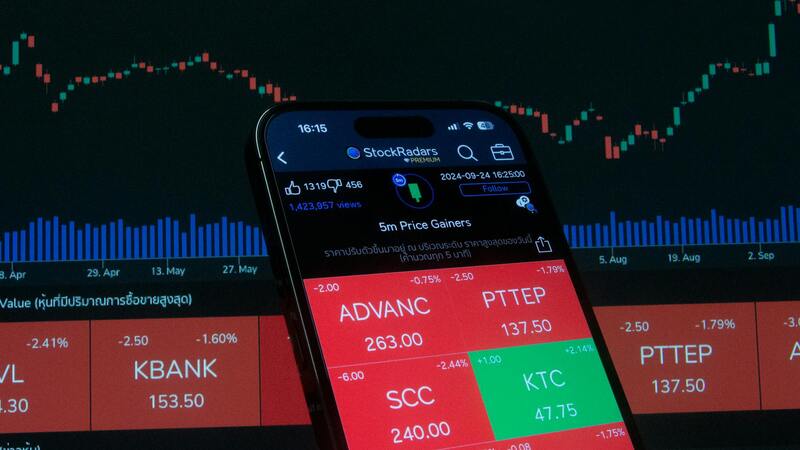
In summary, the development of a reliable, secure, and scalable infrastructure underpins all aspects of a successful crypto proprietary trading operation. From executable technology to data management and security, each element must be meticulously planned and continuously refined. This strategic technological foundation not only fosters operational efficiency but also positions your firm to capitalize on emerging opportunities within the rapidly evolving crypto landscape.
Evaluating and Securing Capital for Your Crypto Prop Trading Firm
One of the most critical stages in starting a proprietary crypto trading enterprise involves acquiring sufficient capital and establishing reliable funding channels. This process demands a strategic approach that balances initial investment with scalable funding options to ensure operational stability and growth potential.
Identifying Funding Sources
Effective crypto prop trading firms typically leverage a mixture of sources to capitalize their trading operations, including personal savings, collaborative partnerships, and institutional backing. Engaging with private investors or high-net-worth individuals who understand and appreciate the unique risks and returns associated with crypto trading can prove advantageous. Additionally, some firms opt for initial seed funding derived from online angel investor networks specializing in financial technology or digital assets.
For firms looking to establish credibility and attract larger investments, participating in investment accelerators or incubator programs focused on crypto and fintech ventures can open doors to additional funding and strategic mentorship. These programs often provide not only capital but also access to seasoned advisors, legal experts, and industry contacts that can facilitate sustainable growth.
Structuring Capital Commitments
Determining how much capital to secure initially depends on the trading scope, risk management strategies, and operative expenditure projections. A prudent approach involves a phased funding model, starting with a clear operational budget, followed by scaled-in investments as trading algorithms prove their effectiveness. Such an incremental funding strategy minimizes exposure and provides opportunities to align investments with early performance metrics.
Establishing Risk Management Protocols for Capital Deployment
Implementing rigorous risk management protocols is vital when deploying capital into crypto trading activities. This includes setting predefined limits on each trading position, utilizing stop-loss orders, and diversifying across multiple crypto assets to mitigate concentrated exposures. Maintaining a transparent record of capital flow and trading outcomes enhances accountability and informs ongoing investor communications.
Utilizing Technology to Optimize Capital Efficiency
Advanced trading platforms equipped with real-time analytics and automated order execution optimize capital utilization. These technologies facilitate quick adjustments to market conditions, reducing idle capital and enhancing profitability. Back-office systems that track performance, generate comprehensive reports, and manage compliance and tax obligations are equally important for efficient capital management.
Developing Strategic Partnerships and Investor Relations
Building long-term relationships with institutional investors, hedge funds, or family offices can provide a more stable funding foundation. Clear communication of trading strategies, risk controls, and performance metrics helps cultivate trust and ongoing support. Regular reporting and transparency foster credibility and position your firm as a reliable trading entity.

Choosing the Right Crypto Trading Platform and Infrastructure
Selecting an appropriate trading platform is foundational to the success of a proprietary trading firm. The platform should offer robust features including customizable algorithm integration, real-time market data, comprehensive analytics, and support for various trading strategies. Compatibility with APIs for automation and seamless execution of trades is essential to optimize operational efficiency and react swiftly to market fluctuations.
In addition to the core trading software, infrastructure must encompass reliable hardware, secure network connections, and data storage solutions. Redundancy is key; backup servers and failover systems ensure continuous operation during outages, minimizing potential losses. The security of all trading activities and client data is paramount, requiring encryption protocols, secure login procedures, and regular vulnerability assessments.

Most established prop trading firms favor platforms that support backtesting, risk management tools, and compliance features. Scalability should also be considered—your infrastructure must adapt as your firm grows, handling increased trading volume without performance degradation.
Assessing Technology Vendors
- Evaluate vendor reputation and support services.
- Seek platforms offering customizable trading algorithms and comprehensive data analytics.
- Prioritize solutions with robust security measures and compliance tracking features.
- Consider platforms compatible with multiple exchanges and digital assets to diversify trading options.
Implementing advanced data feeds, such as market depth and order book data, can provide critical insights. These tools facilitate more informed decision-making and strategic adjustments in real time. Automation capabilities and algorithmic trading support a substantial edge, enabling traders to execute strategies that capitalize on fleeting market opportunities.

Beyond the trading environment itself, comprehensive back-office systems are necessary for tracking trades, managing compliance, and calculating performance metrics. These systems support regulatory requirements and strengthen internal controls, which are vital for long-term operational integrity.
Implementing Security and Compliance Measures
Security should encompass multi-layered defenses—including firewalls, intrusion detection systems, and multi-factor authentication—to protect trading assets and data. Regular security audits identify vulnerabilities before they can be exploited.
Compliance measures involve maintaining transparent records, implementing anti-money laundering (AML) policies, and adhering to reporting standards. Establishing standardized procedures ensures consistency across operations and simplifies audits, fostering confidence among investors and partners.
Designing an Effective Trader Evaluation Program
Constructing a robust trader evaluation system is fundamental to establishing a successful proprietary trading firm in the cryptocurrency sector. This process involves creating strict criteria that assess traders' skills, decision-making capabilities, risk management, and consistency. An effective evaluation program not only identifies top talent but also minimizes potential trading losses, ensuring that only traders who align with the firm's risk appetite contribute to its growth.
Implementing a Structured Evaluation Process
The evaluation process should be systematic and transparent. Begin with a simulated trading environment where traders can demonstrate their strategies without risking real capital. Track their performance over a predetermined period, focusing on key metrics such as accuracy, profit factor, drawdown, and adherence to risk management rules. This simulation phase acts as a filter, allowing the firm to identify promising traders based on empirical data.
Following the simulation, selected candidates can proceed to a probationary funding phase. During this stage, traders trade with real capital but within predefined limits. Regular performance reviews and risk assessments are crucial to ensure continued compliance and effectiveness. A tiered evaluation approach — starting with smaller capital allocations and progressively increasing as traders demonstrate consistent excellence — helps control risk exposure while nurturing promising talent.
Developing Clear Performance Metrics
Establishing objective performance standards is vital for fairness and clarity. Key indicators might include:
- Monthly and cumulative profit/loss ratios
- Maximum drawdown percentages
- Trade accuracy and hit rate
- Risk-to-reward ratios
- Consistency in trading behavior and decision-making
Additionally, incorporating qualitative assessments—such as traders' discipline, adaptability, and adherence to firm policies—can serve as supplementary evaluation factors. Incorporating feedback loops and performance analytics helps traders refine their strategies and aligns their activities with the firm’s standards.
Automating and Monitoring Trader Performance
Utilizing automated tools to monitor trading activities provides real-time insights and reduces manual oversight burdens. Trading compliance software can ensure traders follow all risk protocols and execute trades within authorized parameters. Continuous monitoring enables quick identification of underperformance or risky behaviors, allowing timely interventions.
Quantitative data collected from these systems supports strategic decision-making regarding trader development, funding levels, and potential scaling opportunities. Regular audits and performance reviews foster a culture of transparency and accountability, essential for operational stability.
Aligning Evaluation with Business Objectives
Every component of the trader evaluation program should support the overarching goals of the firm. Whether the focus is on high-frequency trading, algorithmic strategies, or manual discretionary trading, the evaluation criteria should reflect the specific skill sets needed for success. Incorporate scenario-based assessments to gauge how traders respond under stress or volatile conditions, ensuring readiness for real-market challenges.
By establishing clear, consistent evaluation procedures grounded in measurable performance indicators and supported by automated monitoring, a crypto prop trading firm can effectively identify and cultivate talent, ultimately driving its growth and profitability in the competitive digital asset landscape.
Final Steps: Launching and Scaling Your Crypto Prop Trading Firm
As you prepare to launch your proprietary trading operation, it's crucial to develop a comprehensive strategy that allows for sustainable growth and adaptation within the rapidly evolving cryptocurrency landscape. Successfully scaling your firm involves meticulous planning, continuous innovation, and fostering a resilient operational structure.
Implementing a Robust Operational Framework
Building a solid operational foundation is essential for long-term success. This includes establishing clear protocols for trade execution, risk management, compliance, and trader support. Define standard operating procedures (SOPs) that ensure consistency across your team, facilitate swift decision-making, and enable scalability.
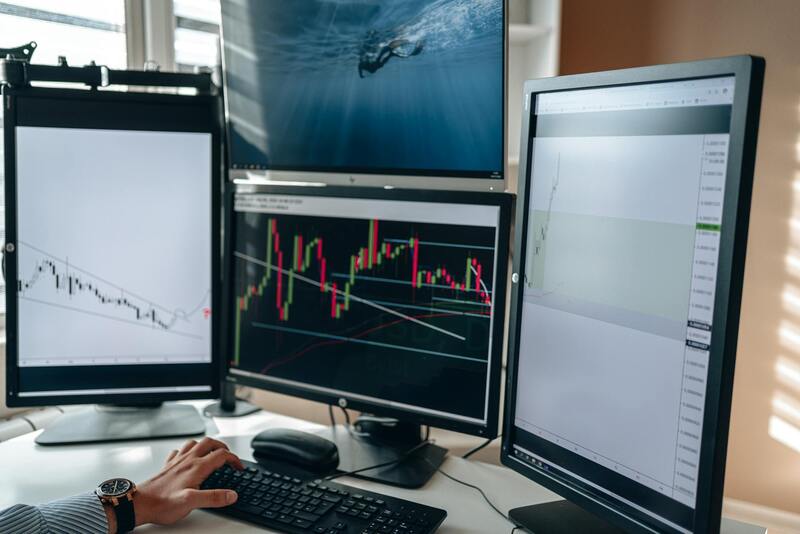
Leverage technology to automate routine tasks such as trade logging, performance tracking, and risk assessment. Integrating advanced analytics and trading algorithms can help identify new market opportunities and optimize trade execution. Regularly updating your infrastructure to incorporate the latest developments in trading technologies will keep your firm competitive.
Strategic Marketing and Outreach
Growing your crypto prop trading firm requires targeted marketing initiatives that highlight your unique value proposition. Developing a professional brand identity and leveraging digital channels such as industry forums, social media, and content marketing can increase visibility among potential traders and investors.
Participate in industry conferences, webinars, and networking events to establish your presence within the crypto trading community. Forming strategic alliances with financial technology providers or other market participants can enhance your service offerings and expand your reach.
Continuous Talent Development and Retention
Attracting and retaining top trading talent remains critical as your firm expands. Offer ongoing education and professional development opportunities tailored to the crypto market's dynamic nature. Foster a culture of innovation, transparency, and performance accountability, which encourages traders to continually improve their strategies.
Implement performance-based incentives aligned with your operational goals. Regularly review trade performance metrics and provide constructive feedback, ensuring traders remain motivated and focused on long-term success.
Adapting to Industry Changes
The cryptocurrency industry is characterized by swift technological shifts, regulatory developments, and market fluctuations. Maintaining agility in your business model allows you to respond effectively to these changes.
- Stay informed: Subscribe to industry news sources, participate in professional networks, and engage with regulatory bodies to stay ahead of upcoming changes that could impact trading operations.
- Innovate continuously: Experiment with new trading algorithms, asset classes, and risk management techniques to maintain competitiveness.
- Adjust strategies proactively: Regularly revisit your trading models, evaluation programs, and infrastructure to ensure alignment with current market conditions.
Scaling a crypto prop trading firm requires foresight, disciplined execution, and resilience. By reinforcing operational capabilities, expanding outreach efforts, nurturing talent, and embracing industry shifts, your firm can establish a strong foothold in the volatile digital asset ecosystem and achieve sustainable growth.
