Understanding Prop Firm Business Model
A proprietary trading firm, commonly known as a prop firm, is an organization that invests its own capital in financial markets, including the rapidly growing sector of cryptocurrency trading. Unlike traditional investment firms that manage assets on behalf of clients, prop firms use their own funds to generate profits by actively trading various digital coins, tokens, and crypto derivatives. This model provides talented traders with access to significant leverage and capital, enabling them to execute larger and more strategic trades than they could independently.
In the context of the crypto trading sector, a prop firm’s primary role is to identify skilled traders, support them with necessary resources, and establish structured trading environments to maximize profitability. The firm supplies traders with advanced trading software, market data, and risk management tools, fostering an environment where strategic and disciplined trading can thrive.

The essence of a prop firm business model lies in its ability to leverage its own capital efficiently while minimizing risk exposure through disciplined trading protocols. These organizations benefit from the scale of their trading activities, often engaging in multiple markets simultaneously, including spot trading, futures, and options within the crypto space. The goal is to identify consistent trading strategies that generate sustainable profits, which then can be reinvested to grow the firm's assets and reputation within the industry.
For entrepreneurs interested in building a crypto prop trading firm, understanding how this model operates is fundamental. It involves acquiring capital, assembling a team of experienced traders, establishing operational procedures, and deploying technology infrastructure that supports secure and efficient trading activities. Developing a comprehensive understanding of these core components ensures that the foundation laid for the prop firm aligns with strategic objectives and operational standards necessary for success in the competitive crypto trading environment.
Legal and Regulatory Requirements
While focusing on reputable practices, entrepreneurs should pay close attention to the formalities involved in the setup process of a prop firm specializing in crypto trading. Establishing a compliant operational framework ensures that the business maintains transparency and accountability, which are crucial for long-term growth and credibility. This involves understanding the official guidelines regarding business registration, taxation, and financial reporting within the relevant jurisdiction.
In many regions, establishing a crypto prop trading firm requires registering a legal entity, such as an LLC or corporation, which provides liability protection and facilitates financial transactions. Securing the appropriate licenses, even if not explicitly mandated for all crypto activities, can enhance reputation and provide access to banking services. It is advisable to undergo thorough documentation of operational procedures, trading policies, and risk management processes to align with industry standards.
Additionally, establishing strong cybersecurity measures and data protection protocols safeguards sensitive trader information and proprietary trading strategies. Formal procedures for onboarding traders, monitoring compliance, and handling disputes should be documented and regularly reviewed. These protocols not only foster operational integrity but also prepare the firm for any compliance audits.
Navigating the financial ecosystem involved in a crypto prop firm involves working with banking institutions, payment processors, and sometimes escrow services. Building relationships with financial partners who understand the nature of crypto transactions can streamline processes and avoid disruptions.
Becoming familiar with local and international laws that govern crypto trading activities is essential. While explicit licensing may vary, adhering to anti-money laundering (AML) procedures, know-your-customer (KYC) protocols, and transaction monitoring standards demonstrates a commitment to sound operational practices and mitigates potential issues.

Developing a Business Plan and Strategy
Creating a comprehensive business plan is an essential step in establishing a prop firm within the crypto trading arena. This plan should outline the core components that define the firm's operational foundation, strategic direction, and growth potential. A well-structured business plan facilitates clarity, aligns team objectives, and attracts potential investors or partners.
Key elements of a robust business plan include:
- Market Analysis: Assess the current crypto trading environment, identify target markets, and analyze competitive landscape. Understanding demand for specialized trading strategies and niche segments can differentiate your firm.
- Target Audience: Define whether the primary focus is institutional traders, retail traders, or proprietary trading teams. Clarify the demographics, trading experience levels, and risk appetite of your intended clientele.
- Funding Strategies: Detail the sources of capital, whether through personal investment, angel investors, venture capital, or corporate partnerships. Clarify how funds will be allocated across trading accounts, infrastructure, and operational costs.
- Risk Management: Establish systematic procedures for risk assessment, position sizing, and stop-loss implementation. Incorporate strategies for diversification and hedging to mitigate market volatility.
- Revenue Models: Define how the firm will generate income, be it through trading profits, management fees, performance incentives, or a combination thereof. Outline projected financial targets and key performance indicators.
- Operational Procedures: Document governance policies, compliance protocols, and internal controls. Structuring clear workflows ensures consistency and transparency across all activities.

Strategic planning should also emphasize scalability—defining how the business can expand through additional trading strategies, new markets, or technological upgrades. Regularly reviewing and updating the plan keeps the firm aligned with evolving market conditions and regulatory frameworks.
Developing a Comprehensive Trading Platform and Infrastructure
Establishing a robust and reliable trading environment is fundamental to the success of a crypto prop firm. This begins with selecting trading platforms that align with operational requirements, support efficient execution, and ensure security. The platform should offer real-time data feeds, customizable interface options, and seamless connectivity to liquidity providers. Compatibility with various trading strategies, including algorithmic and manual trading, is also critical. High execution speed and minimal latency are vital for executing trades effectively in volatile markets, preventing slippage that can erode profitability.
In addition to the trading software, an integrated infrastructure must be built to support the firm's operational backbone. This includes secure servers, data management systems, and backup protocols to safeguard against technical failures or data loss. Cloud-based solutions can offer scalability and flexibility, allowing the firm to adapt rapidly to increasing trading volumes or new market opportunities. Consideration should also be given to cybersecurity measures such as encryption, firewalls, and multi-factor authentication to protect sensitive information, trading algorithms, and client data.

Operational tools like portfolio management software, risk analytics, and trade journaling add layers of control and transparency. These tools help in tracking performance, conducting detailed analysis, and adhering to compliance standards. Establishing a reliable data feed infrastructure ensures timely market data delivery, which is crucial for making informed trading decisions and executing strategies effectively. Additionally, integrating APIs with liquidity providers, exchanges, and accounting systems streamlines operations and reduces manual backend processes, enhancing overall efficiency.
Evaluating Technology Vendors and Providers
Choosing the right technology partners is essential. It is important to assess vendors based on their track record, customer support quality, and compliance with industry standards. A thorough due diligence process involving trial periods, peer reviews, and reference checks can help in selecting platform providers that match the firm's specific needs. Prioritizing scalability, ease of integration, and ongoing maintenance support ensures the trading infrastructure can evolve alongside the firm's growth trajectory.
Ensuring System Security and Continuity
Security protocols should be an integral part of the infrastructure design. This involves deploying comprehensive cybersecurity measures to guard against hacking attempts, malware, and internal breaches. Implementing scheduled maintenance, regular software updates, and disaster recovery plans helps ensure operational continuity. Adequate backup systems, including off-site redundancies, guarantee quick recovery in the event of unforeseen disruptions. Such measures protect the firm's assets, ensure trader confidence, and uphold operational integrity.
Funding and Capital Allocation
Securing initial capital is a critical phase in the establishment of a prop trading firm, especially within the dynamic realm of cryptocurrency trading. Entrepreneurs must carefully evaluate various funding avenues to build a robust financial foundation. Traditional routes include personal savings, investments from partners, or tapping into angel investors who specialize in fintech ventures. Additionally, some firms explore strategic partnerships with institutional investors or crypto-focused venture capitalists who can provide not only capital but also industry expertise.
It is vital to develop a detailed financial plan that outlines startup costs, operational expenses, and projected trading capital. A comprehensive budget should account for technology infrastructure, licensing fees, compliance costs, and marketing efforts, alongside initial trading funds. Proper structuring of funding sources can help diversify risk and ensure operational flexibility, enabling the firm to adapt swiftly to market shifts.
Once capital is secured, efficient resource allocation becomes paramount. This involves deploying funds toward high-impact areas such as trading infrastructure, risk management tools, and skilled personnel. Investment in advanced trading algorithms and systems that facilitate fast execution and real-time analytics can significantly influence profitability. Similarly, setting aside reserves for contingency scenarios or unforeseen market conditions enhances financial stability. Regularly reviewing the allocation of capital ensures that the firm remains agile and responsive to evolving market opportunities.

Furthermore, establishing clear policies for capital deployment helps prevent overexposure and ensures consistency in trading practices. Managing leverage responsibly and maintaining a conservative risk appetite during the early phases allows the firm to build resilience. As the operation matures, additional rounds of funding can support expansion efforts, such as entering new markets or developing distinctive proprietary trading methods.
Developing transparent processes for capital management and maintaining meticulous records boost credibility with investors and partners. This commitment to disciplined financial practices fosters trust and can facilitate future capital raises or strategic alliances. Ultimately, proper funding and resource management form the backbone of a resilient, growth-oriented crypto prop trading business.
Implementing Robust Risk Management and Compliance Strategies
Effective risk management is essential to sustain profitability and operational stability within a prop trading firm. Establishing comprehensive risk controls begins with defining clear limits on position sizes, leverage usage, and trading frequencies, aligned with the firm’s overall risk appetite. Automated systems should be employed to monitor real-time trading activities, flagging any deviations from set parameters to prevent excessive exposure that could jeopardize the firm’s financial health.
Besides risk controls, maintaining thorough compliance with internal policies and external standards is crucial. This entails implementing systematic review processes for all trading operations, routine audits, and ensuring transparent record-keeping. Regular staff training on risk protocols and adherence to best practices helps foster a culture of discipline and accountability.
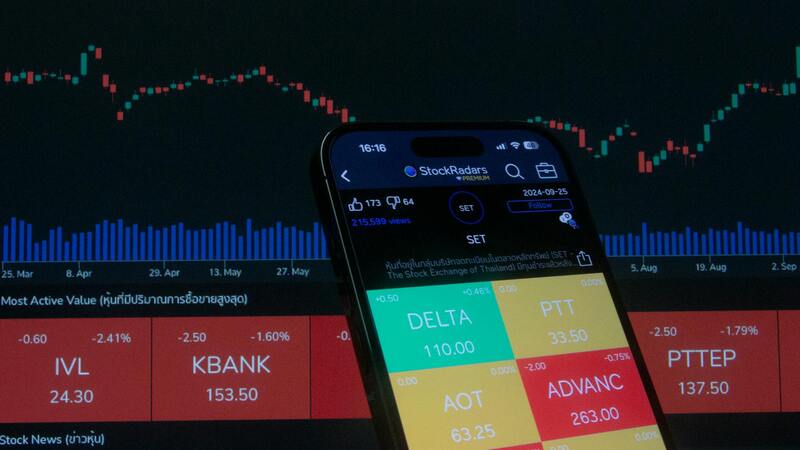
Leveraging technology solutions such as compliance management software and trade surveillance tools further enhances oversight, enabling proactive adjustments to trading strategies as market conditions shift. Firms must also stay informed about emerging regulatory changes and industry standards, adapting their practices promptly to maintain operational integrity while avoiding unnecessary disruptions.
Scaling Operations and Building a Resilient Brand
Expanding a prop trading business involves more than increasing capital and trading volume. It requires strategic planning to establish scalable processes, investing in technology upgrades, and fostering a strong brand reputation among traders and investors alike. A well-defined growth plan should outline targeted markets, new trading strategies, and talent acquisition pipelines to support long-term expansion.
Brand building involves consistent messaging about transparency, trader support, and technological innovation that differentiate the firm in a competitive landscape. Cultivating a professional image through industry participation, educational content, and participation in trade associations can elevate credibility and attract high-caliber traders and investors.

The dedication to operational excellence, combined with a focus on compliance and risk mitigation, lays a solid foundation for sustainable scaling. As the firm matures, diversifying trading strategies, expanding into new markets, and building strategic alliances will contribute to increased resilience, reputation, and profitability within the dynamic crypto trading environment.
Developing a Structured Operational Framework
Creating a robust operational structure is essential for the sustainable growth of a prop trading enterprise. This involves establishing comprehensive processes that encompass daily trading operations, risk management protocols, and compliance oversight. Formalized procedures ensure consistency, reduce operational errors, and foster trading discipline among team members.
Documentation of standard operating procedures (SOPs) for trade execution, capital management, and review processes helps in maintaining clarity across the organization. These SOPs should be regularly updated to incorporate new regulatory guidelines, technological advancements, and process improvements. Robust internal controls, including segregation of duties and regular audits, contribute to transparent and responsible trading activities.

Investing in a centralized management system aids in tracking trades, monitoring compliance, and analyzing performance metrics. This infrastructure supports decision-making and provides oversight that aligns with industry best practices. Transparency in operations builds trust with investors, traders, and regulatory bodies, creating a resilient foundation for the firm's expansion.
Implementing Advanced Risk Management Strategies
Effective risk mitigation hinges on deploying advanced risk management tools and strategies tailored to crypto markets. These include setting predefined risk limits per trader or trading strategy, employing dynamic stop-loss orders, and utilizing position sizing algorithms that adapt to market volatility.
Continuous monitoring of market conditions allows for real-time risk adjustments. Automated systems can flag unusual trading activity, significant losses, or margin calls, prompting immediate intervention. Regular stress testing of the portfolio against extreme market scenarios helps identify vulnerabilities and adjust risk parameters proactively.
Fostering a Culture of Compliance and Ethical Trading
Ensuring compliance with established standards involves educating traders on relevant policies and ethical practices. Regular compliance training and audits reinforce the importance of responsible trading and adherence to company policies. Maintaining comprehensive records of all trading activities, risk assessments, and decision logs enhances traceability and accountability.
Engaging with industry bodies and participating in knowledge-sharing forums can help stay ahead of emerging trends and compliance expectations. Transparency regarding trading practices and risk controls builds integrity and credibility within the crypto trading community.
Scaling Operations and Building a Resilient Brand
As the prop trading operation matures, expanding the trader team, diversifying trading strategies, and adopting cutting-edge technology become priorities. Scaling requires a strategic approach to staffing, including recruiting skilled traders, risk managers, and compliance officers, to support increased trading volume and complexity.
Developing a strong brand involves consistent messaging around the firm’s commitment to transparency, innovation, and trader support. Participating in industry events, publishing educational content, and maintaining an active presence in industry forums can enhance visibility and reputation. Establishing strategic alliances with technology providers and financial institutions further bolsters growth potential.
Expanding into new markets or asset classes should be accompanied by thorough market research and tailored trading frameworks. Technological upgrades, such as integrating AI-driven analytics or deploying superior trading infrastructure, support scalable operations and improve execution quality.
Measuring Success and Continuous Improvement
Implementing key performance indicators (KPIs) helps evaluate both operational efficiency and trading performance. Metrics such as average return on capital, drawdown levels, trader retention rates, and compliance adherence provide insights into overall health and areas for improvement.
Conducting regular reviews of trading strategies, risk management practices, and operational policies ensures the firm remains adaptive to market dynamics. Feedback from traders and stakeholders can inform process refinements, fostering a culture of continuous development that sustains competitive advantage and stability.
Scaling the Business and Building a Brand
Once the foundational aspects of establishing a prop firm are in place—such as a solid trading infrastructure, risk management protocols, and operational processes—the focus should shift toward scalable growth and brand development. Successful expansion involves targeted strategies aimed at attracting high-caliber traders, fostering industry recognition, and differentiating the firm in a competitive crypto trading landscape.
Implementing a Trader Acquisition Strategy
Recruiting skilled traders is fundamental to scaling a prop trading business. This requires a multi-channel approach that combines direct outreach, industry networking, and strategic partnerships. Creating an inviting environment for traders includes offering competitive profit-sharing models, clear performance incentives, and supportive resources such as dedicated trading dashboards and educational materials.
Using performance-based evaluation metrics ensures that the firm attracts traders with proven track records. Establishing a robust application process, supported by comprehensive trading evaluations and demo accounts, helps identify traders who align with the firm’s risk appetite and operational standards. Regular engagement through mentorship programs, webinars, and community events enhances trader loyalty and encourages long-term collaboration.
Building Industry Reputation and Credibility
Establishing a credible presence in the crypto trading community involves strategic marketing, thought leadership, and active participation in key industry events. Publishing educational content, hosting webinars, and sharing insights on market trends demonstrate expertise and commitment to transparency. Participating in industry forums and social media channels helps foster trust and positions the firm as a reputable player.

Enhancing Technological Capabilities for Competitive Edge
Investing in advanced trading technology supports scalable operations and superior trade execution. AI-driven analytics, real-time data feeds, and customized trading algorithms empower traders to make informed decisions and optimize performance. Upgrading infrastructure to handle higher volumes without latency ensures the firm remains agile and responsive to market fluctuations.
Creating Strategic Alliances
Forming partnerships with technology providers, liquidity pools, and financial institutions can broaden the firm's capabilities and market reach. Strategic alliances facilitate access to better trading tools, increased capital, and enhanced operational support. Collaborations also foster innovation, allowing the firm to adapt swiftly to technological advancements and regulatory changes.
Leveraging Data and Feedback for Continuous Improvement
Regular analysis of trading data, client feedback, and performance metrics enables the firm to refine its strategies continuously. Implementing insights from these reviews can lead to improved trading algorithms, optimized risk controls, and more engaging trader experiences. Establishing a culture of ongoing development ensures the firm remains adaptable and competitive in the dynamic crypto trading environment.