
Understanding Crypto Prop Firms
Crypto proprietary trading firms, commonly referred to as crypto prop firms, are specialized financial entities that engage in the trading of cryptocurrencies using their own capital. Unlike traditional trading where individuals trade using personal funds, prop firms provide traders with a significant portion of the firm's capital, allowing for larger positions and potentially higher profits. The core model relies on professional traders executing strategies that capitalize on the highly volatile nature of digital assets, seeking to generate consistent returns while managing risk effectively.
These firms serve as a crucial bridge between individual traders eager to operate with institutional-level resources and the digital asset market's rapid growth. They offer an environment where talented traders can access sophisticated technology, leverage, and risk management tools that are typically unavailable to retail traders. Over recent years, the rise of decentralized financial systems, increased institutional interest, and faster transaction technologies have propelled the growth of crypto prop firms, especially within the US market where regulation and technology infrastructure are well-established.

Increasing Popularity in the US Market
The expansion of crypto prop firms in the United States can be attributed to several factors. The accessibility of advanced trading technology and secure infrastructure allows more traders to participate effectively. Furthermore, regulatory frameworks are continuously evolving to support legitimate business operations, fostering trust within the industry. Moreover, the high volatility of cryptocurrencies presents lucrative opportunities for skilled traders, prompting firms to invest heavily in training and infrastructure that maximize profit potential.
With a growing demand for professional trading environments and the potential for scalable income streams, entrepreneurs interested in building their own prop firm find the US market to be especially conducive. This demanding yet promising landscape motivates many to explore legitimate pathways for establishing their own crypto prop trading operations, focusing on sustainable growth and compliance.
Developing a Crypto Prop Firm Business Model
Establishing a successful crypto proprietary trading firm begins with designing a robust and sustainable business model. This involves defining clear objectives, setting realistic growth targets, and delineating operational procedures that align with industry standards. A comprehensive business model should incorporate the core aspects of trading strategies, risk management protocols, and technology infrastructure. Traders within the firm must adhere to standardized trading practices that optimize profit opportunities while minimizing exposure to unnecessary risks.
One effective approach to developing this framework is to utilize backtested trading algorithms that have demonstrated consistent performance under various market conditions. These algorithms help establish trading guidelines and automate decision-making processes, ensuring discipline and consistency. Additionally, a well-structured business model includes provisions for capital allocation, profit sharing, and compliance monitoring, fostering transparency and accountability across all levels of operation.

Another critical component is the development of an operational workflow that incorporates regular training sessions, performance evaluations, and continuous technology upgrades. This ensures that traders remain compliant with evolving industry standards and capitalizes on the latest market intelligence. Incorporating feedback loops into the workflow allows for ongoing refinement of trading strategies, boosting the firm’s adaptability and long-term viability.
Completing a Crypto Prop Firm Challenge
Many established prop trading firms require traders to complete initial challenges or assessments as part of their onboarding process. These challenges typically evaluate a trader’s ability to follow prescribed risk management rules, execute trades effectively, and demonstrate consistent profitability over a specified period. Successfully completing a challenge not only qualifies traders to operate with firm capital but also serves as a critical validation step for the firm’s internal standards.
This process enables firms to identify traders with proven discipline, analytical skills, and a strategic outlook—key traits for sustained success in the highly volatile crypto markets. Additionally, structured challenges help establish a baseline for measuring trader performance, which informs ongoing training and development programs.

Robust challenge procedures integrate real-time risk scenarios with simulated trading environments, providing traders with practical experience and allowing firms to observe decision-making under pressure. The data collected from these assessments feeds into performance analytics, guiding strategic decisions about trader retention, compensation, and further training investments.
Choosing a Trading Focus for Your Prop Firm
Determining the core trading focus is a pivotal step in establishing a successful crypto prop firm. It requires careful analysis of market opportunities, trader expertise, and long-term profitability prospects. Several niche segments within the crypto trading landscape deserve thorough consideration, each offering unique advantages and operational challenges.
One prominent area is crypto futures trading, which involves agreements to buy or sell digital assets at predetermined prices and dates. Futures trading allows firms to leverage capital effectively, enabling traders to amplify potential returns within controlled risk frameworks. Given the high liquidity and volatility of futures markets, skilled traders can capitalize on quick price movements, making this niche particularly attractive for firms seeking rapid growth and dynamic trading strategies.
Another specialized segment is Bitcoin trading, which remains the most recognized and widely traded cryptocurrency globally. Establishing a focus on Bitcoin allows your firm to tap into a vast market with substantial liquidity. Traders specializing in Bitcoin often develop expertise in technical analysis, market sentiment, and macroeconomic factors influencing its price. This focus can lead to more consistent performance, especially when combined with automated trading algorithms tailored to Bitcoin’s unique trading patterns.
Crypto derivatives, which include options and swaps linked to digital assets, serve as another fruitful niche. Derivatives offer traders the ability to hedge positions or speculate on price movements with limited upfront capital, thereby attracting a diverse set of trading strategies. For a prop firm, emphasizing crypto derivatives requires robust technological infrastructure and risk management systems, but the potential for diversified income streams makes this focus highly appealing.

When selecting your firm's trading focus, consider the expertise level of your traders, available technology, and market conditions. Building a tailored infrastructure that supports your chosen niche will improve operational efficiency and trader performance. In addition, aligning your firm's strategies with prevalent market trends can maximize profitability and sustain long-term growth.
Setting Up Your Crypto Prop Trading Platform
Establishing a reliable trading platform involves integrating secure, scalable, and user-friendly technology. Your platform should support real-time market data, automated order execution, and sophisticated risk management tools. Compatibility with multiple exchanges, liquidity providers, and analytical software is essential for creating an efficient ecosystem where traders can operate seamlessly.
Prioritize platform security through advanced encryption, multi-factor authentication, and regular audits. High-performance infrastructure is crucial, particularly during periods of heightened market volatility, to ensure that execution speeds meet the demands of active traders. A well-designed interface that provides clear insights into open positions, risk exposure, and performance metrics will facilitate disciplined trading practices.

Integrating risk management modules directly into your platform will allow for automated position limiting, stop-loss enforcement, and profit-taking rules. Establishing custom alerts and reporting mechanisms enhances oversight and helps maintain risk-adjusted performance. Continuous testing and updates are necessary to adapt to evolving market conditions and technological advancements.
Developing a Crypto Prop Firm Business Model
A well-structured business model underpins the sustainability and growth of your prop firm. This involves defining revenue streams, trader compensation plans, and operational costs. Most firms operate on a profit-sharing basis, where traders receive a portion of the profits generated, aligning their incentives with the firm’s success.
Implementing tiered evaluation processes, such as challenge phases and performance assessments, ensures that only disciplined traders are granted access to firm capital. These assessments can be designed to measure risk adherence, trade accuracy, and strategic thinking under simulated or live conditions.
Cost management is equally vital. Allocating resources toward technology development, compliance, and marketing will set the foundation for growth. Diversifying income sources—such as offering different trading instruments and leveraging institutional connections—can also enhance financial stability.
Completing a Crypto Prop Firm Challenge
Constructing an effective trader challenge is critical for maintaining high standards and filtering for skilled traders. Challenges typically incorporate real-time trading simulations or risk management scenarios, where traders demonstrate their ability to follow established rules and adapt to volatile market conditions.
The challenge parameters should include preset profit targets, drawdown limits, and compliance with risk policies. Simulated environments need to accurately mimic live market dynamics, including order execution delays, slippage, and sudden price shifts. Data from these assessments allow your firm to evaluate trader discipline, strategic acumen, and resilience.
Providing comprehensive feedback and ongoing support during the challenge phase fosters development and helps identify traders with the greatest potential for long-term success. Establishing clear metrics and transparent evaluation criteria ensures consistency and fairness throughout the process.
Setting Up Your Crypto Prop Trading Platform
Choosing the right trading platform is a fundamental step toward building a successful crypto prop firm. It must offer robust functionality, high reliability, and seamless integration with market data feeds, order execution systems, and risk management tools. An ideal platform should support multiple trading strategies, offer real-time analytics, and be scalable to accommodate growth or increased trading volume. Compatibility with various cryptocurrencies and the ability to handle high-frequency trading can significantly boost your firm's competitive edge.
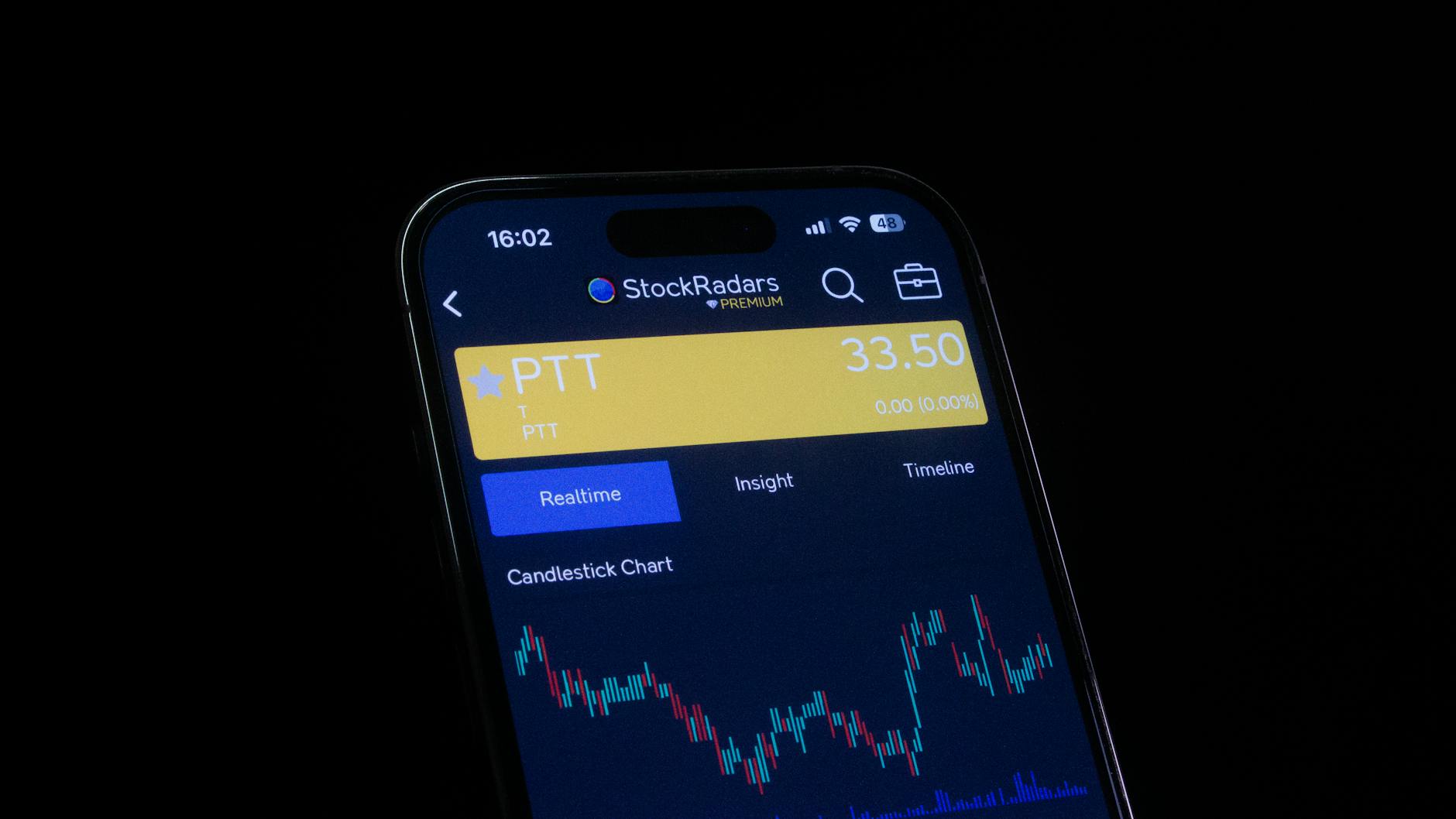
- User Interface and Experience: The platform should feature an intuitive user interface that minimizes errors and accelerates decision-making, especially critical during volatile market conditions.
- Security Measures: Implement rigorous security protocols, including multi-factor authentication, encryption, and regular vulnerability assessments to protect sensitive data and funds.
- Connectivity and Integration: Seamless API integration with liquidity providers, market data services, and internal analytics tools is essential for smooth operational workflows.
- Risk Management Tools: Advanced risk controls, such as automated stop-loss orders, position limits, and trade monitoring dashboards, help maintain discipline and mitigate potential losses.
When selecting a platform, consider vendors with proven track records, comprehensive customer support, and ongoing software updates that adapt to the evolving crypto trading landscape. A reliable infrastructure not only supports efficient trading but also contributes to establishing a professional and trustworthy firm environment.
Developing a Crypto Prop Firm Business Model
A well-structured business model encapsulates your firm’s core operations, revenue streams, and growth strategies. It involves defining the types of trading instruments your firm will focus on, the risk management policies to safeguard capital, and the profit-sharing arrangements with traders. Emphasizing transparency and strong compliance standards builds credibility and fosters long-term relationships with traders and partners.
Revenue generation often relies on a combination of profit splits, management fees, and performance-based incentives. Diversifying income sources—such as offering trading signals, educational resources, or proprietary algorithms—can also enhance stability and expansion potential. Strategic partnerships with liquidity providers or institutional investors can further amplify trading capacity and access to better market conditions.
Completing a Crypto Prop Firm Challenge
Designing an effective trader challenge is crucial for identifying and onboarding talented traders. The challenge should emulate real-market scenarios, testing for strategic discipline, risk awareness, and execution speed. Clear criteria including profit targets, maximum allowable drawdowns, and adherence to risk management policies help screen qualified traders.
Simulated trading environments must mirror live markets' nuances, including order slippage, market volatility, and sudden price movements. This realistic setup ensures that traders are evaluated under conditions they will face regularly, providing a true measure of their capabilities.

Offering comprehensive feedback during the challenge process promotes trader development and aligns expectations. Establishing transparent evaluation criteria ensures fairness and consistency, ultimately building a skilled and disciplined trading team aligned with your firm’s standards.
Developing a Crypto Prop Firm Business Model
Creating a sustainable and profitable crypto prop trading operation requires a well-structured business model that clearly defines how capital is allocated, risk is managed, and strategies are implemented. The foundation of this model involves meticulous planning around capital distribution, ensuring that resources are aligned with the firm’s trading objectives and growth plans. Capital allocation must balance risk appetite with potential reward, often involving segregated accounts or pooled funds designated for different trading strategies or asset classes.
Risk management remains central to the firm’s success, necessitating comprehensive policies that cover position sizing, stop-loss protocols, and maximum drawdown limits. Implementing real-time monitoring systems and automated safeguards helps enforce these policies and minimizes exposure to unexpected market shifts. Additionally, establishing clear trading strategies—whether algorithm-driven, discretionary, or hybrid—ensures consistency across the trading team and facilitates performance evaluations.
The funding process involves securing initial capital, often through personal funds, external investors, or profit-sharing arrangements. Transparency in capital deployment and detailed reporting mechanisms promote trust among stakeholders and enable precise performance tracking. Development of a structured onboarding process for traders, backed by ongoing training and evaluation, strengthens the company's trading capabilities and fosters a culture of disciplined investing.

Operational efficiency also depends on choosing technological infrastructure that supports swift execution, data analysis, and secure transaction handling. Platforms should integrate advanced analytics, real-time data feeds, and secure communication channels to streamline decision-making processes. Regular review and adaptation of the business model in response to market dynamics keep the firm competitive and capable of capitalizing on emerging opportunities.
By systematically addressing these components, you lay a robust foundation that sustains growth, enhances profitability, and mitigates risks inherent to crypto markets. A clear, comprehensive business model is indispensable for navigating the complexities of crypto prop trading and building a reputable, scalable enterprise.
Legal and Regulatory Considerations in the USA
Establishing a crypto prop firm within the United States requires a thorough understanding of the regulatory landscape to ensure compliance with federal and state laws. This involves aligning business practices with guidelines set forth by agencies such as the Securities and Exchange Commission (SEC), the Commodity Futures Trading Commission (CFTC), and the Financial Crimes Enforcement Network (FinCEN). An essential component is registering the firm appropriately and adhering to anti-money laundering (AML) laws, Know Your Customer (KYC) procedures, and record-keeping mandates.
Financial licensing may be necessary depending on the scope of trading activities and the types of financial instruments involved. For instance, if your prop firm plans to offer leveraged trading services or manage client funds, obtaining licenses like the Temporary Cryptocurrency Money Transmission License or registering as a Money Services Business (MSB) may be required. These steps help establish credibility and ensure lawful operation within the industry’s regulatory framework.

Ongoing compliance monitoring, internal audits, and staying updated with evolving laws contribute to maintaining lawful operations. Building relationships with legal and compliance professionals specialized in financial and digital asset regulation can aid in navigating this complex environment and avoiding potential penalties or operational disruptions.
Developing Internal Policies and Procedures
To meet regulatory expectations, a crypto prop firm should implement comprehensive internal policies. These include detailed procedures for client onboarding, transaction monitoring, data security, and reporting suspicious activities. Establishing a robust compliance program not only demonstrates due diligence but also minimizes risks associated with regulatory scrutiny.
Furthermore, transparency with traders about risk management protocols, profit-sharing models, and trading limitations is vital. Clear documentation and regular staff training promote a culture of compliance, reducing uncertainties and creating a trustworthy environment for all stakeholders.
Integrating Technology for Compliance Enforcement
Utilizing advanced compliance management software enables real-time monitoring of trading activities, automatic flagging of suspicious transactions, and efficient record retention. These technological tools are integral for ensuring adherence to legal frameworks, enabling quick response to regulatory audits, and safeguarding the firm's reputation in the competitive crypto trading space.

Overall, a proactive approach to legal and regulatory compliance not only helps avoid penalties but also fosters a sustainable business model rooted in trust and operational integrity. By prioritizing these considerations from the outset, you position your crypto prop firm as a serious and reputable player within the industry, capable of withstanding market volatility and regulatory shifts.
Understanding Crypto Prop Firms
Crypto proprietary trading firms, commonly referred to as crypto prop firms, specialize in providing traders with capital to execute high-volume trades across various digital assets. These firms function by offering skilled traders a chance to trade with their own funds, thereby maximizing profit-sharing opportunities while minimizing personal financial risk. The operational framework of such firms hinges on rigorous risk management protocols, advanced trading technology, and a keen understanding of market dynamics. Establishing a crypto prop firm involves developing a sound infrastructure that supports secure transaction execution, real-time data analysis, and compliance adherence.
Technical Infrastructure and Partnerships
Building a reliable operational backbone includes selecting high-performance trading platforms, establishing connectivity to major crypto exchanges, and integrating secure data management systems. Many successful crypto prop firms leverage API integrations that facilitate seamless trade execution and automate order routing, thereby reducing delays and human error. Partnering with liquidity providers and technological vendors ensures access to ample market liquidity and cutting-edge tools, which are essential for maintaining competitiveness.
Advantages of Starting Your Own Prop Firm
Launching a crypto prop firm offers significant strategic benefits, including increased revenue potential and greater control over trading operations. Unlike traditional trading, proprietary trading firms can tailor their risk exposure, implement specialized trading strategies, and adapt quickly to market shifts. Additionally, owning a prop firm allows for the development of a proprietary brand, fostering trust among traders and investors. This autonomy results in more flexible profit-sharing models, customized training programs, and enhanced compliance measures, all of which contribute to sustainable growth.
Revenue Diversification and Market Positioning
With your own prop firm, you can diversify trading portfolios across different cryptocurrencies and asset classes, reducing reliance on a single market segment. Better control over operational costs, coupled with the ability to design innovative incentive programs, positions your firm as a formidable player in the industry. Moreover, establishing a solid reputation can attract talented traders seeking to align with a trustworthy and well-managed organization, further expanding your market reach.
Choosing a Trading Focus for Your Prop Firm
Deciding on a specialized trading focus shapes your firm's operational identity and determines the type of traders you attract. Some firms opt for high-frequency trading (HFT) strategies, leveraging speed and algorithms to capitalize on small price movements. Others focus on swing trading, arbitrage opportunities, or market making, depending on market conditions and expertise. Clear focus areas allow for targeted technology investments, dedicated risk management protocols, and tailored trader training programs.
Aligning Strategy with Market Trends
Choosing the right trading focus requires in-depth analysis of current market dynamics, liquidity levels, and technological capabilities. For example, HFT demands ultra-low latency infrastructure, while arbitrage necessitates rapid data processing and access to multiple exchanges. By aligning your focus with proven strategies and evolving industry trends, you position your firm to capitalize on emerging opportunities and maintain a competitive edge.
Setting Up Your Crypto Prop Trading Platform
Establishing a robust trading platform involves integrating market data feeds, execution engines, and risk management systems into a cohesive environment. Customizable trading terminals, coupled with automated algorithms, empower traders to operate efficiently and respond swiftly to market fluctuations. Security features such as multi-factor authentication, encrypted transactions, and real-time monitoring are crucial for safeguarding assets and sensitive data.
Technology Considerations and Implementation
Prioritize platforms that support scalable infrastructure, facilitate API integrations with major exchanges, and allow for advanced back-office operations. Implementing automated compliance checks and real-time analytics ensures traders adhere to risk parameters and operational policies. Regular software updates and cybersecurity measures are vital to protect against evolving threats in the digital asset domain.
Developing a Crypto Prop Firm Business Model
A well-defined business model underpins sustainable growth, aligning revenue streams, trader incentives, and operational costs. Common models include profit-sharing arrangements, fixed fee structures, and tiered access levels. Incorporating data analytics to track performance metrics helps refine strategies, optimize trader recruitment, and improve risk controls. Additionally, establishing clear policies on trader onboarding, performance benchmarks, and capital allocation is critical for operational consistency.
Balancing Risk and Reward
Designing your business model involves striking a balance between incentivizing traders and managing overall risk exposure. Implementing tiered profit-sharing formulas rewards high performers while maintaining sufficient safeguards against excessive losses. Regular review of trading outcomes, coupled with adaptive policies, ensures that your firm remains resilient amid market volatility and evolving industry standards.
Strategies for Building Your Prop Firm’s Reputation and Client Trust
Establishing a reputable crypto prop firm requires a steadfast commitment to transparency, operational integrity, and consistent performance. Building client trust involves implementing proven practices that demonstrate your firm’s dedication to fair trading, security, and regulatory compliance. Here are essential strategies to fortify your firm’s standing in the digital asset trading space.
Implement Transparent Communication Channels
Clear and open communication with traders and investors fosters trust and credibility. Regularly provide detailed performance reports, risk disclosures, and updates on firm policies. Transparency in fee structures, profit-sharing arrangements, and trading strategies encourages a positive relationship with your clients and demonstrates your commitment to integrity.
Adopt Robust Security Protocols

Security is paramount in the digital asset realm. Utilize advanced encryption, multi-factor authentication, and regular security audits to safeguard your platform from cyber threats. Clearly communicate your security measures to clients, reinforcing confidence in your firm’s commitment to safeguarding their investments.
Maintain Compliance and Ethical Standards
Your firm should align its operations with recognized industry standards and best practices. Establish comprehensive internal policies pertaining to trader conduct, risk management, and anti-money laundering procedures. Demonstrating adherence to professional standards reassures clients and partners of your firm’s dedication to ethical practices.
Engage in Community Building and Thought Leadership
Participate actively in the crypto trading community by sharing insights, hosting webinars, and contributing to industry discussions. Positioning your firm as a knowledgeable and reliable authority fosters credibility and attracts quality traders. When clients see your firm’s dedication to education and industry knowledge, their confidence in your operations strengthens.
Provide Exceptional Customer Support
Responsive and knowledgeable customer support enhances client experience and satisfaction. Quickly resolving issues, answering queries, and providing guidance on platform usage or trading strategies positively influences your firm’s reputation. Support channels should be easily accessible via multiple platforms to ensure clients feel valued and supported at all times.
Leverage Data and Feedback for Continuous Improvement
Collect and analyze client and trader feedback to identify areas for enhancement. Use data analytics to monitor operational metrics such as trade accuracy, platform stability, and risk management outcomes. Implementing changes based on these insights demonstrates your firm’s adaptability and commitment to excellence.
Maintain Consistent Performance and Risk Management
Consistency in trading outcomes and risk controls is key to substantial reputation building. Regularly review trading strategies, adjust risk parameters as needed, and uphold strict compliance with trading protocols. Clients are more inclined to trust firms that showcase stability, prudent risk management, and sustained profitability.

By focusing on these core principles—transparency, security, compliance, community engagement, customer support, continuous improvement, and performance consistency—your prop firm can develop a strong professional reputation. Over time, this reputation attracts a steady stream of skilled traders and investors, creating a resilient and profitable enterprise in the vibrant world of crypto trading.
