Understanding Cryptocurrency Prop Firms
Cryptocurrency proprietary trading firms, commonly known as crypto prop firms, have gained significant traction in the financial trading landscape. These establishments are specialized entities that provide skilled traders with capital to execute trades in the digital currency markets. The primary role of a crypto prop firm is to leverage the expertise of professional traders while catalyzing growth through strategic investment management, risk controls, and technological infrastructure.
Crypto prop firms serve as crucial intermediaries between individual traders and the expansive digital asset markets. They facilitate access to substantial trading capital that individual traders might find difficult to secure on their own. This partnership benefits both parties: traders gain a platform to deploy larger funds and enhance their earning potential, whereas the firm takes on risk management responsibilities, ensuring sustainable growth.
The rising popularity of crypto prop firms among traders in the USA can be attributed to several factors. The digital currency markets are known for their high volatility, which offers ample profit opportunities, especially for experienced traders. By working with a prop firm, traders can access sophisticated trading tools, real-time analytics, and secure infrastructure that sharpens their competitive edge. Additionally, the model typically involves profit-sharing agreements, aligning the interests of traders with the firm and creating a platform for scalable income streams.

For aspiring entrepreneurs, establishing a crypto prop firm can be a lucrative endeavor, provided they understand the operational ecosystem. It involves implementing robust trading strategies, employing strict risk management protocols, and attracting talented traders who can navigate the dynamic cryptocurrency environment. In essence, building a successful crypto prop firm requires mastery of digital assets, technological innovation, and adept talent acquisition.
Legal and Regulatory Considerations in the USA
Establishing a build prop firm within the United States necessitates a thorough understanding of various legal and regulatory frameworks that govern the operation of financial and cryptocurrency-related entities. This encompasses compliance with federal and state laws designed to promote transparency, protect investors, and ensure sound operational practices.
Federal agencies such as the Securities and Exchange Commission (SEC) and the Commodity Futures Trading Commission (CFTC) oversee certain aspects of crypto activities, particularly when digital assets are classified as securities or commodities. A build prop firm must therefore consider whether its trading activities fall within the scope of these regulations and implement appropriate measures to adhere to reporting, registration, and operational standards.
In addition, adhering to anti-money laundering (AML) protocols and implementing know-your-customer (KYC) procedures are critical components of compliance. These measures serve not only to bolster the integrity of the firm but also to establish trust within the trading community and regulatory bodies.

State-level regulations can vary significantly, with some jurisdictions imposing specific licensing requirements or operational restrictions on crypto trading entities. Navigating these diverse regulatory landscapes requires diligent research and often consultation with legal experts specialized in financial and crypto law.
Building a firm with a strong compliance framework not only facilitates smoother operations but also enhances credibility among investors and trading partners. Staying updated with evolving regulatory policies and actively participating in industry discussions can assist in aligning the firm’s practices with current standards.

Operationally, a focus on transparent reporting, secure transaction processes, and consistent internal audits are key elements in maintaining a compliant environment. Furthermore, establishing relationships with legal and regulatory consultants can help prevent potential issues and streamline licensing processes.
For entrepreneurs looking to build a crypto prop firm, fostering an internal culture of legal awareness and regulatory adherence is paramount. This proactive approach minimizes risks and positions the firm as a responsible participant in the crypto trading ecosystem.
Understanding Cryptocurrency Prop Firms
Building a reputable build prop firm in the cryptocurrency space requires comprehensive knowledge of the operational, technical, and strategic aspects involved. These firms serve as trading entities that provide capital to skilled traders, enabling them to execute high-volume transactions while sharing profits. Understanding the core components of a successful crypto prop firm involves familiarity with both the technical infrastructure and the specific needs of professional traders.
At a fundamental level, a crypto prop firm must focus on creating a robust trading infrastructure, including reliable trading platforms, data feeds, risk management tools, and secure transaction processes. The choice of trading instruments—such as spot trading, futures, options, or algorithmic trading—also significantly influences the firm’s operational model and potential profitability.

In addition, establishing clear policies around trader onboarding, risk control, and profit-sharing structures helps maintain a sustainable and scalable operation. Traders must meet specific performance benchmarks and adhere to strict compliance standards to ensure that the firm mitigates risks associated with market volatility and operational errors.
One crucial aspect of building a solid crypto prop firm is the development of comprehensive training and support programs. These initiatives help traders optimize their strategies within the company's risk parameters while fostering innovation and continuous improvement. Effective communication channels and real-time support are vital for maintaining high standards of trading performance.
Technical and Infrastructure Considerations
Setting up the technical foundation involves critical choices around trading software, API integrations, and data security protocols. Reliable, low-latency trading connections are essential for executing high-frequency trades and taking advantage of market movements. Secure storage of funds and transaction data, along with compliance with cybersecurity standards, safeguard the firm against potential breaches or malicious attacks.
- API integrations with multiple exchanges to maximize liquidity and trading efficiency
- Advanced risk management tools to assess trader performance and limit losses
- Secure servers and data encryption to protect sensitive information
- Automated systems for monitoring compliance and trading anomalies
Building a Transparent and Scalable Business Model
Transparency is key when establishing trust among investors and traders. Regular reporting, comprehensive performance metrics, and clear communication policies contribute to a professional image and foster long-term relationships. Scalability considerations, such as expanding into new markets or introducing additional asset classes, require careful planning and resource allocation.
Furthermore, leveraging insights from market analytics and trading data helps refine strategies, improve risk controls, and identify emerging opportunities. An adaptive approach to technology upgrades and process enhancements is necessary to maintain competitiveness in the rapidly evolving crypto landscape.
Key Components of Building a Crypto Prop Firm
Establishing a successful cryptocurrency proprietary trading firm requires meticulous attention to several fundamental elements. These components form the backbone of operational efficiency, profitability, and trader management within the firm. A clear understanding of these key areas ensures that the firm can adapt to market dynamics, attract skilled traders, and sustain long-term growth in the highly competitive crypto trading environment.
Trading Platform Infrastructure
At the heart of any crypto prop firm lies a robust trading platform. This must be capable of executing large volumes with minimal latency, integrating seamlessly with multiple exchanges through secure APIs. The platform should support diverse trading instruments such as spot, futures, and options to provide traders with flexible opportunities. Advanced charting tools, real-time data feeds, and customization options enhance trader performance and decision-making.
Funding and Capital Allocation
Initial capital infusion is crucial for enabling traders to execute strategies without constraints. Proper funding mechanisms, whether through firm capital or pooled investor funds, must be structured to balance risk and growth potential. Clear policies for fund allocation, profit sharing, and reinvestment foster transparency and motivate traders to perform at their best while aligning their goals with the firm’s success.
Risk Management Protocols
Crypto markets are inherently volatile, necessitating comprehensive risk management protocols. These include setting strict trading limits, employing stop-loss orders, and leveraging automated risk assessment tools. Regular portfolio review and stress testing help to identify potential vulnerabilities, ensuring the firm maintains stability during turbulent market conditions. Incorporating real-time monitoring systems facilitates quick response to adverse trading activity or technical issues.
Trader Evaluation and Performance Monitoring
Effective trader evaluation systems enable the firm to identify high performers and provide targeted support for improvement. Metrics such as win rate, profit factor, and maximum drawdown are analyzed continuously. These insights inform decisions on trader funding levels, bonus structures, and training programs. Transparent performance reporting also builds trust and accountability among trading teams.
Data Security and Compliance Measures
Maintaining data confidentiality and secure transactions is paramount. Implementing encryption protocols, secure login procedures, and regular security audits protect sensitive information from cyber threats. Additionally, adopting compliance standards ensures that trading activities adhere to regulatory frameworks, avoiding disruptions and maintaining professional integrity across operations.
Understanding Cryptocurrency Prop Firms
Cryptocurrency proprietary trading firms, commonly known as crypto prop firms, serve as dedicated entities that use their own capital to trade digital assets. These firms aim to generate profits through strategic trading, leveraging expertise and sophisticated technology to capitalize on market movements. Unlike traditional investment funds that trade on behalf of clients, crypto prop firms retain full control over trading decisions, making them agile and innovative players within the digital asset ecosystem.
Crypto prop firms often operate with a focus on high-frequency trading, arbitrage, market making, and trend-following strategies. They typically assemble teams of experienced traders who are evaluated based on performance metrics, risk management skills, and adaptability to rapid market changes. A core aspect of these firms is fostering an environment where traders can optimize their strategies, supported by robust infrastructure and data analytics.
Building a reputable crypto prop firm involves establishing a reliable infrastructure that supports high-speed execution and secure transactions. The firm’s operational framework is supported by legal compliance, risk mitigation protocols, and ongoing talent development. The success of a crypto prop firm hinges on its ability to adapt to evolving market conditions and regulatory environments, creating a sustainable model for profit generation in the volatile crypto landscape.

Legal and Regulatory Considerations in the USA
Establishing a crypto prop firm in the USA requires careful navigation of the financial and digital asset regulatory landscape. Compliance with federal and state regulations is essential to ensure operational integrity and avoid disruptions. The firm must adhere to guidelines set forth by agencies such as the Securities and Exchange Commission (SEC), Commodity Futures Trading Commission (CFTC), and Financial Crimes Enforcement Network (FinCEN).
registration processes often include registering as a money services business (MSB), implementing anti-money laundering (AML) procedures, and establishing Know Your Customer (KYC) protocols. These measures help in verifying client identities, preventing illicit activities, and maintaining transparency with regulatory bodies.
Tax compliance also plays a crucial role. Crypto firms need to maintain detailed records of all trades and transactions to comply with IRS reporting requirements. Partnering with legal professionals experienced in digital assets and financial regulation ensures that the firm’s operational model aligns with current legal standards.
Additionally, contracts and trading agreements should be crafted to clearly define the terms of trader engagement, profit sharing, and risk management procedures. Transparency and thorough documentation are vital to fostering trust and safeguarding the firm against potential compliance issues.
Types of Crypto Prop Firms and Trading Models
- Traditional Proprietary Trading Firms: These firms trade their capital directly across various crypto markets, deploying systematic and discretionary strategies to earn profits.
- Funding Programs for Traders: Many firms operate challenge-based models where traders demonstrate their skills through simulated accounts or trading challenges before receiving live trading capital.
- Market Making Firms: Specialized in providing liquidity by placing continuous buy and sell orders, these firms profit from spreads and trading efficiencies.
- Arbitrage-Driven Firms: Focused on exploiting price discrepancies across different exchanges or markets, these firms require advanced infrastructure for rapid execution.
Understanding these trading models aids in tailoring operational strategies, designing effective trader evaluation systems, and selecting technology platforms that align with the firm’s goals. Whether emphasizing quant-based algorithms or discretionary trading, clear differentiation in strategy fosters competitive advantage.
Key Components of Building a Crypto Prop Firm
Developing a successful crypto prop firm involves several critical elements beyond the initial setup. These include establishing a strong technological foundation, ensuring legal compliance, developing effective trader assessment metrics, and implementing robust risk management systems.
Investment in high-caliber trading platforms, data analytics tools, and cybersecurity measures is essential. Equally important is fostering a culture of continuous improvement, where traders are supported through training, performance reviews, and technological upgrades.
Operational transparency and meticulous record-keeping are paramount to sustain long-term growth and build trust with stakeholders. Building an infrastructure that can adapt to market volatility and regulatory shifts ensures resilience and operational continuity. An emphasis on ethical trading practices and compliance safeguards the firm’s reputation and aligns it with industry standards.
Careful planning during the early stages of firm development, combined with ongoing evaluation and optimization, forms the backbone of a reputable and profitable crypto prop trading enterprise.
Detailed Approach to Building a Cryptocurrency Prop Firm
Establishing a successful cryptocurrency proprietary trading firm requires a comprehensive understanding of various foundational and operational elements. From selecting the right trading infrastructure to implementing effective risk management protocols, every component plays a pivotal role in ensuring sustained growth and profitability. Here is an in-depth exploration of the key steps involved in building a crypto prop firm, emphasizing the importance of strategic planning, technological robustness, and operational discipline.
Implementing Advanced Trading Infrastructure
The backbone of any thriving crypto prop firm is its trading infrastructure. This encompasses secure, high-performance trading platforms capable of executing trades rapidly and accurately across multiple exchanges. Integration with real-time data feeds, advanced analytics tools, and algorithmic trading systems enables traders to capitalize on fleeting market opportunities effectively.
Security measures are paramount to protect assets and sensitive information. Utilizing multi-factor authentication (MFA), encrypted communication channels, and regular cybersecurity audits safeguards the firm against evolving cyber threats. Additionally, scalable cloud-based solutions facilitate flexibility and adaptability to market changes or growth trajectories.

Developing a Skilled and Disciplined Trading Team
A critical determinant of a prop firm’s success is its traders. Cultivating a team with a blend of technical expertise, market intuition, and disciplined trading habits is vital. Implement rigorous evaluation and onboarding processes to ensure traders adhere to the firm’s risk protocols and strategic philosophies.
Ongoing training programs and performance assessments foster continuous improvement. Encouraging a culture of accountability, paired with transparent performance metrics, helps identify high-potential traders and areas needing support.
Robust Risk Management and Compliance Protocols
Effective risk management is the cornerstone of sustainable trading operations. This involves establishing predefined risk limits, leverage controls, and stop-loss protocols tailored to the volatility inherent in cryptocurrency markets. Automated risk monitoring tools allow for real-time oversight and prompt corrective actions.
Alongside risk management, maintaining meticulous compliance with industry standards and internal policies ensures smooth operations. Regular audits, comprehensive record-keeping, and transparent reporting bolster trustworthiness and enable swift responses to market or regulatory changes.
Building a Brand and Attracting Top Talent
Establishing a strong market presence attracts skilled traders and institutional partners. Transparent communication of the firm’s trading strategies, technological edge, and growth prospects enhances credibility. Offering competitive rewards, mentorship, and opportunities for career advancement further incentivize talented traders to join and stay committed to the firm’s success.

Ongoing Innovation and Adaptation
The volatile and rapidly evolving nature of cryptocurrency markets demands continuous innovation. Regularly upgrading trading algorithms, incorporating new data sources, and adapting to regulatory shifts ensure the firm remains competitive. Staying ahead in technological development, coupled with strategic flexibility, enables the firm to navigate market uncertainties effectively.
Furthermore, fostering partnerships with technological providers and industry stakeholders can open new avenues for growth, access to liquidity, and operational enhancement. Leveraging such collaborations accelerates innovation and broadens the firm’s competitive advantage.
Building Advanced Infrastructure and Operational Strategies for a Crypto Prop Firm
After establishing the foundational elements of your crypto proprietary trading firm, the focus shifts toward creating a resilient infrastructure and implementing operational strategies that support scalability, security, and efficiency. This phase involves a comprehensive understanding of the technological, risk management, and resource allocation aspects crucial for long-term success.
Developing Robust Trading Platforms and Infrastructure
At the core of a successful crypto prop firm lies a high-performance trading platform tailored to support complex trading activities. Building or integrating a trading environment that offers seamless execution, real-time analytics, and advanced order management tools is paramount. This platform must be capable of handling large volumes of transactions with minimal latency to capitalize on market opportunities.
Moreover, infrastructure considerations extend to data centers, connectivity, and cybersecurity. Utilizing secure cloud services or dedicated data centers ensures high availability and disaster recovery capabilities. Implementing end-to-end encryption, multi-factor authentication, and intrusion detection systems safeguards trading assets and sensitive information from potential threats.
Implementing Risk Management Protocols
Effective risk management forms the backbone of a sustainable prop trading operation. This includes setting predefined limits on position sizes, drawdowns, and leverage ratios to prevent catastrophic losses. Automated risk controls and real-time monitoring tools allow traders and managers to respond swiftly to adverse market movements.
- Trade Surveillance: Continuous monitoring for unusual trading patterns to prevent fraud or market manipulation.
- Portfolio Diversification: Spreading investments across multiple assets and strategies to reduce volatility.
- Stress Testing: Running simulations on historical or hypothetical scenarios to evaluate firm resilience under extreme conditions.
Resource Allocation and Human Capital Development
As your firm grows, investing in human capital becomes increasingly important. Hiring skilled traders, quantitative analysts, and technologists ensures the development of innovative trading strategies and maintenance of technological infrastructure. Ongoing training and performance assessments foster a culture of excellence and accountability.

Adopting Regulatory Compliance and Ethical Standards
Regardless of regional variations in regulation, maintaining high standards of compliance and ethical practices is critical. This includes thorough record-keeping, transparent reporting practices, and adherence to industry best practices. Regular audits and internal reviews help identify vulnerabilities and improve operational transparency.
Engaging with industry associations and staying updated on evolving best practices promote a compliant and reputable business environment. Such measures not only protect the firm from potential disruptions but also enhance its standing among industry peers and traders.
Leveraging Technology and Data for Competitive Advantage
Implementing cutting-edge technological solutions such as machine learning algorithms, big data analytics, and blockchain integrations can give your firm a distinct advantage. These tools facilitate more accurate market predictions, automate routine processes, and improve decision-making precision.
By harnessing data effectively, your prop firm can develop sophisticated trading models that adapt to changing market conditions, optimize risk-reward profiles, and identify new trading opportunities more efficiently.
Building a Proprietary Crypto Trading Ecosystem
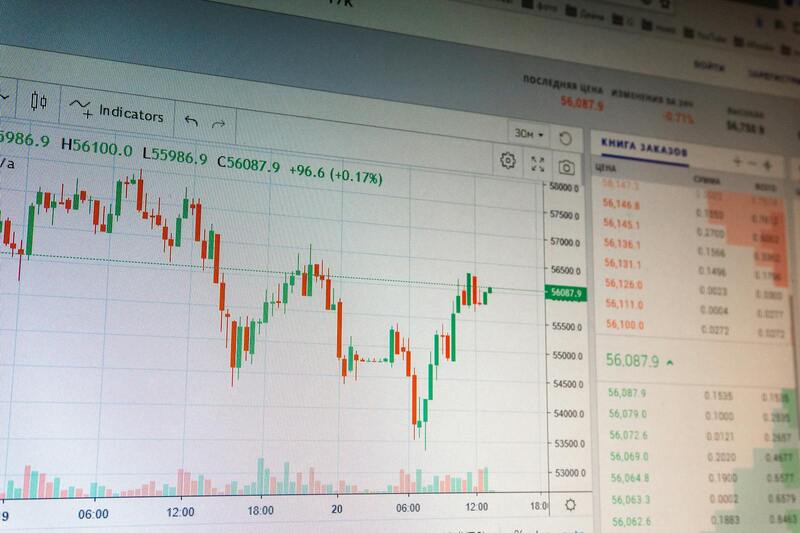
Constructing a successful crypto prop firm requires a comprehensive understanding of the operational infrastructure, technological backbone, and strategic frameworks that facilitate efficient trading and risk management. Central to this process is the development of a robust trading platform that supports various trading strategies, integrates advanced analytical tools, and ensures seamless execution across multiple exchanges. This platform must be designed with scalability in mind, allowing the firm to adapt swiftly to evolving market conditions and increasing trading volumes.
Developing a Secure and High-Performance Trading Infrastructure
Ensuring the security of trading operations is paramount. Incorporate multi-factor authentication, encrypted data transmissions, and rigorous access controls to safeguard sensitive information. Simultaneously, the infrastructure must support high-frequency trading activities by minimizing latency and maximizing uptime. Utilizing cloud-based solutions, colocated servers, or dedicated hosting can deliver the required performance levels. These technical measures foster trader confidence and facilitate consistent execution of complex trading algorithms.
Integrating Advanced Analytical and Risk Management Tools
Implementing sophisticated analytical tools, such as real-time market data feeds, machine learning predictions, and customized analytics dashboards, empowers traders to make informed decisions rapidly. In parallel, risk management modules should be embedded within the platform to monitor position sizes, leverage, and exposure across different assets. Automated alerts and stop-loss mechanisms help mitigate potential losses, ensuring prudent trading and sustainable growth of the firm.
Streamlining Compliance and Transaction Processes
Efficiency in compliance workflows enhances operational transparency and reduces regulatory friction. Automated KYC procedures, transaction auditing, and detailed record-keeping establish clear audit trails. Integrating these systems into the trading platform simplifies reporting requirements and supports internal reviews. Maintaining such standards not only streamlines daily operations but also enhances the firm's reputation among traders and stakeholders.
Implementing a User-Centric Interface for Trader Engagement
Designing an intuitive, user-friendly interface facilitates smoother trader interactions and reduces onboarding time. Features such as customizable dashboards, quick order execution, and real-time notifications improve trader efficiency. Incorporating social trading components or community forums can foster a collaborative environment, attracting more skilled traders and encouraging knowledge sharing within the ecosystem.
Ensuring Continuous Technological Improvements and Updates
As the crypto landscape evolves rapidly, ongoing technological innovations are crucial. Regular updates, security patches, and feature enhancements keep the platform aligned with market demands. Establishing a dedicated technical team or maintaining partnerships with innovative technology providers ensures the firm's platform remains cutting-edge, resilient, and competitive.