
Understanding Proprietary Trading in Crypto
Proprietary trading, often referred to as prop trading, involves a firm using its own capital to trade financial assets, aiming to generate profits through various trading strategies. In the context of cryptocurrency, a crypto prop trading firm specializes in buying and selling digital assets such as Bitcoin, Ethereum, and other altcoins, leveraging the firm’s capital to capitalize on market movements. These firms play a vital role in the crypto ecosystem by providing liquidity, supporting market stability, and exploring new trading methodologies.
Unlike investment funds or asset management companies that handle other people’s money, a proprietary crypto trading firm depends solely on its own resources. This setup allows for greater flexibility in trading strategies, including leveraging sophisticated algorithms, high-frequency trading, and arbitrage. The firm’s ability to adapt quickly to market fluctuations and employ risk management frameworks directly impacts its profitability and operational stability.
Crypto prop trading firms differ from traditional hedge funds and brokerages primarily in their focus on short-term trading activities and the utilization of proprietary capital. While some firms may work with traders under profit-sharing arrangements or performance-based incentives, the core aspect remains the same: maximizing returns with internal funds.

Understanding the distinct functions and roles of a prop trading firm provides a solid foundation when considering how to start your own operation, highlighting the importance of internal capital management, strategic trading, and compliance with industry standards.
Understanding Proprietary Trading in Crypto
Proprietary trading in the cryptocurrency sector involves a firm using its own capital to engage in buying and selling digital assets. This approach allows the firm to directly profit from market movements, without intermediaries or third-party investors. Prop trading firms typically operate with a focus on short-term trading strategies, harnessing advanced technology, algorithms, and rapid execution to capitalize on market opportunities.
In the context of crypto, these firms are often at the forefront of trading innovations, utilizing tools such as high-frequency trading (HFT), algorithmic strategies, and arbitrage. This high level of operational agility enables them to respond swiftly to volatile market conditions, which are characteristic of the cryptocurrency environment. Because they trade solely with their own funds, these companies can implement flexible internal policies on leverage, position sizing, and risk management that align with their strategic goals.

Unlike traditional asset managers or hedge funds that handle external capital, crypto prop firms depend entirely on their internal reserves. This independence grants them the ability to experiment with innovative strategies, adjust positions quickly, and optimize trading parameters without external constraints. Their operations often involve a combination of quantitative analysis, technical indicators, and real-time market data to identify profitable trades in a highly liquid, yet often unpredictable, digital asset market.
For entrepreneurs interested in starting their own proprietary trading operation, understanding the core functions of such firms is crucial. This involves mastering internal capital management, implementing comprehensive risk control measures, and continuously adapting to evolving market dynamics. The proficiency in deploying sophisticated trading systems and maintaining operational stability directly influences the sustainability and profitability of the firm.
Key Components of Crypto Proprietary Trading
- Advanced Trading Algorithms: Utilizing automated systems designed to execute trades swiftly based on predetermined criteria.
- Risk Management Protocols: Implementing layered strategies to control exposure and prevent significant losses during high volatility periods.
- Market Analysis Tools: Leveraging real-time data feeds, technical analysis software, and quantitative models to identify entry and exit points.
- Liquidity and Order Execution: Ensuring sufficient liquidity sources and efficient order placement to maximize trade profitability.
- Regulatory Compliance: Adhering to industry standards and internal controls to foster operational integrity and reputation.
Starting a crypto prop trading firm requires a detailed understanding of these elements, along with a dedicated focus on operational resilience. Building a strong technological infrastructure and cultivating a disciplined trading culture are fundamental to establishing a reputable and successful enterprise in this industry.
Understanding Proprietary Trading in Crypto
Proprietary trading in the cryptocurrency sector involves firms trading their own capital rather than clients' funds, aiming to generate profits through strategic market participation. Unlike traditional finance, crypto prop trading requires a nuanced approach due to the high volatility, 24/7 market operation, and rapid technological evolution. Successful firms leverage advanced algorithms, integrative market analysis tools, and robust risk management frameworks to maintain an edge.
Crypto prop traders often focus on market-making, arbitrage, and momentum strategies, utilizing sophisticated software to execute trades swiftly and efficiently. These firms also emphasize maintaining liquidity and minimizing transaction costs, which are critical given the thin margins and high volatility inherent in crypto markets. Building a technologically advanced infrastructure not only enhances trade execution but also facilitates seamless scalability and adaptability to market changes.

Fundamentally, cryptocurrency proprietary trading necessitates a disciplined approach that balances aggressive trading strategies with rigorous risk controls. Firms implement layered risk protocols to prevent significant drawdowns, employing real-time monitoring tools and automated safeguards. They also rigorously test trading algorithms, continually refining them to adapt to shifting market conditions and emerging opportunities.
Key Technologies Powering Crypto Prop Trading
- High-frequency trading (HFT) systems capable of executing thousands of trades per second.
- Algorithmic trading platforms that utilize machine learning models for prediction and decision-making.
- Real-time data feeds providing comprehensive market insights, including order book dynamics and price movements.
- Order management systems that ensure quick and reliable order execution, handling complex trading strategies seamlessly.
- Secure and scalable cloud infrastructure to support data processing, storage, and algorithm deployment.
Operational Efficiency and Team Expertise
Beyond technology, a knowledgeable team with expertise in quantitative analysis, software development, and risk management is vital. Continuous training, staying abreast of technological advancements, and maintaining an agile operational workflow reinforce a firm's capacity to adapt swiftly to market shifts or regulatory changes.
In essence, mastering proprietary trading in crypto demands not only cutting-edge technological deployment but also a dedicated commitment to operational discipline, strategic innovation, and a deep understanding of market mechanics.

Developing a Robust Business Infrastructure for Your Crypto Prop Trading Firm
Building an effective operational infrastructure is fundamental to the success of your proprietary trading enterprise. The process involves selecting and implementing essential systems, establishing clear policies, and assembling a skilled team that can manage daily operations efficiently. A structured approach to these components ensures that your firm can navigate market complexities while optimizing performance and security.
Establishing a Business Entity and Operational Policies
Begin by formalizing your business through the creation of a legal entity tailored to your operational needs—such as an LLC or corporation. This structure provides a clear framework for liabilities, taxation, and operational continuity. Alongside legal formation, developing comprehensive operational policies is crucial. These should outline trading protocols, compliance standards, risk management protocols, and internal controls that help mitigate potential issues and promote accountability.
Technology Infrastructure and Data Management
Investing in a resilient technology stack is essential. This includes choosing trading platforms that offer stability, customization, and real-time execution capabilities aligned with your strategic goals. Your infrastructure should incorporate:
- High-speed, low-latency data feeds for accurate market analysis.
- Secure servers and cloud solutions for scalable data storage and processing.
- Advanced order management systems that handle complex trade executions seamlessly.
- Robust cybersecurity measures to protect your data, trading algorithms, and client information from cyber threats.
Team Building and Skill Development
The human element remains a cornerstone of a successful prop trading operation. Recruit professionals with expertise in algorithmic trading, data analysis, financial modeling, and risk management. Continuous education and training ensure your team stays abreast of evolving market trends and technological advancements. A culture of innovation and discipline enhances your firm's adaptability and strategic edge.
Implementing Compliance and Security Protocols
Establish strict compliance procedures aligned with industry standards and best practices. Regular audits, transparent reporting, and adherence to trading standards safeguard your operation’s integrity. Additionally, cybersecurity protocols—including multi-factor authentication, encryption, and intrusion detection systems—are vital to prevent unauthorized access and data breaches.
Operational Workflow and Automation
Streamlining processes through automation enhances efficiency and accuracy. Automate routine tasks such as order routing, risk assessment, and trade reconciliation. Implementing advanced analytics tools can provide real-time insights to optimize trading decisions, reduce operational risks, and monitor system health continuously.
Continuous Improvement and Scalability
Ensure your infrastructure supports scalability to accommodate growth. Regular evaluations of technology performance, operational procedures, and team competencies facilitate ongoing improvements. Staying agile in strategy and infrastructure allows your firm to capitalize on emerging market opportunities while maintaining resilience against challenges.
Funding and Capital Requirements for a Crypto Prop Firm
Establishing a proprietary trading firm in the cryptocurrency sector necessitates careful planning around funding and capital allocation. Unlike traditional trading operations, crypto prop firms often require substantial initial capital to enable market engagement, manage risk, and build operational infrastructure. Securing this capital involves multiple strategies that align with the firm’s long-term growth objectives and risk appetite.
Initial Capital Investment and Sources
Launching a reputable crypto prop trading firm begins with sourcing sufficient initial capital. This can originate from personal savings, angel investors, or institutional partners who have confidence in your strategic approach. In some cases, entrepreneurs leverage partnerships formed through industry networks to raise seed funds, ensuring the firm has a robust financial foundation. Additionally, some founders consider bootstrap methods, gradually increasing their capital base through early profits or savings.
To attract external funding, a compelling business plan that clearly articulates the firm's trading philosophy, risk management protocols, and technological advantages is essential. Demonstrating a deep understanding of the crypto market dynamics and regulatory considerations can instill confidence among potential investors or partners. Transparency regarding capital sources and planned deployment strategies helps establish credibility and encourages investment.
Managing Liquidity and Operating Capital
Operational liquidity is critical for executing trades efficiently and sustaining daily trading activities. A crypto prop firm must maintain sufficient cash reserves to meet margin requirements, cover transaction costs, and buffer against market volatility. Effective liquidity management ensures that the firm can swiftly capitalize on trading opportunities while safeguarding against unforeseen losses.

Ongoing Capital Growth and Reinvestment Strategies
As the firm establishes a track record of success, reinvesting profits to increase trading capacity is vital for sustained growth. Profits generated from trading activities serve as a source of re-investment to expand trading strategies, upgrade technological infrastructure, and recruit top talent. Strategic reinvestment enables the firm to diversify trading portfolios and adapt to evolving market conditions.
Equally important is prudent risk management when managing capital. Proper diversification, setting clear position limits, and continuous monitoring mitigate potential losses and preserve capital for future trading cycles. Regularly reassessing capital requirements in response to market volatility and firm growth ensures financial stability and operational flexibility.
Utilizing leverage and credit facilities responsibly
Crypto prop firms often leverage credit facilities or trading lines to enhance market participation without overextending their capital base. Responsible use of leverage involves maintaining a careful balance to optimize trading profitability while avoiding excessive exposure that could magnify losses. Establishing clear leverage policies, backed by rigorous risk controls, supports sustainable growth.
Comprehensive Financial Planning and Compliance
Developing detailed financial plans that forecast cash flow, profit margins, and capital requirements under different market scenarios enhances decision-making. Consistent adherence to financial protocols not only facilitates internal management but also demonstrates professionalism to external stakeholders. Maintaining transparent records and adhering to industry standards for reporting contribute to building trust with partners, clients, and regulatory bodies.
Choosing a Suitable Trading Platform and Building a Robust Technology Infrastructure
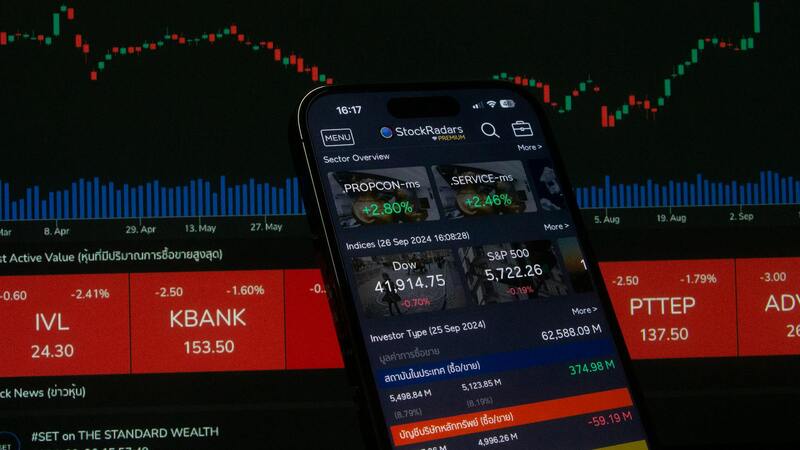
Establishing a reliable and efficient trading platform is fundamental for the operational success of your crypto proprietary trading firm. The selection process involves evaluating various platforms based on their technological capabilities, integration options, security features, and scalability.
When assessing trading software, prioritize platforms that offer:
- Real-time market data and robust charting tools
- Advanced order types and automation features
- API access for custom integrations and algorithmic trading
- High security standards including encryption and multi-factor authentication
- Compatibility with multiple exchanges to diversify trading opportunities
Building a strong technological infrastructure also involves setting up a secure network environment, utilizing cloud services for scalability, and implementing comprehensive backups to prevent data loss. A well-designed infrastructure supports rapid execution, minimizes latency, and ensures continuous uptime, which are critical factors in high-frequency trading environments.

In addition, integrating risk management tools directly into the trading platform enhances oversight. These tools enable real-time monitoring of trading activity, automatic stop-loss and take-profit orders, and portfolio diversification analysis, which collectively safeguard assets against market volatility.
Regular updates and maintenance are essential to keep the infrastructure aligned with evolving market conditions and technological innovations. Continuous training for team members on platform functionalities and cybersecurity best practices further strengthens operations and reduces vulnerabilities.
Utilizing Crypto Prop Firm Challenges and Funding Programs
Many aspiring proprietary trading firms leverage structured challenges and funding initiatives designed specifically for crypto markets. These programs serve as effective mechanisms for entrepreneurs to demonstrate trading proficiency while securing vital initial capital without risking personal funds. Engaging in such challenges requires a clear understanding of their frameworks, requirements, and strategic best practices to maximize their benefits.
Understanding Prop Firm Challenges
Prop firm challenges are assessments issued by established crypto trading entities that evaluate the skills, risk management, and consistency of traders before providing significant capital. Typically, these challenges involve a simulated trading environment where performance metrics such as profitability, adherence to risk parameters, and behavioral discipline are scrutinized. Successful completion grants access to trading accounts with funded capital, allowing traders to focus on scaling their strategies without the constraints of personal capital limitations.
Funding Programs for Crypto Trading Firms
Beyond challenges, numerous funding programs exist that provide direct financial support or partnership opportunities to emerging firms. These initiatives often include staged funding, where firms can access increasing amounts of capital as they meet predefined performance and compliance benchmarks. Such programs are crucial for startups aiming to expand operations, diversify trading strategies, and accelerate growth in competitive markets.

Maximizing Success through Strategic Approach
To optimize the potential of prop firm challenges and funding initiatives, firms should adopt meticulous preparation and disciplined trading practices. This involves comprehensive backtesting of strategies, strict adherence to risk management protocols, and continuous performance monitoring. Maintaining consistency and professionalism not only enhances the chances of passing challenges but also establishes a strong foundation for long-term success.
Engaging with a community of experienced traders, leveraging educational resources, and utilizing analytics tools can further improve outcomes. Thoroughly understanding the specific requirements of each program—such as profit targets, drawdown limits, and trading styles—ensures that strategies are aligned effectively to meet objectives.
Impact on Growth and Sustainability
Successfully navigating these programs provides more than just capital; it fosters credibility within the crypto trading ecosystem. Having a proven track record of disciplined performance attracts additional funding opportunities and partnership prospects. This, in turn, enables firms to scale their operations, diversify their trading portfolios, and implement innovative algorithms and technology upgrades that enhance overall competitiveness.
Critical Considerations for Firms Using Funding Programs
- Establish a robust risk management framework aligned with program requirements.
- Maintain rigorous documentation of trading activity and performance metrics.
- Ensure compliance with trading rules and behavioral standards set by funding entities.
- Regularly assess and refine strategies based on market conditions and challenge feedback.
- Invest in advanced analytics tools to track performance and identify improvement areas.
Participation in prop firm challenges and funding programs significantly contributes to the sustainability and scalability of a crypto prop trading business. Enabling firms to demonstrate skill, build reputation, and access larger pools of capital establishes a solid foundation for long-term growth and stability in the dynamic landscape of crypto markets.
Establishing a Sustainable Crypto Proprietary Trading Firm
Building a reputable crypto proprietary trading firm involves a multitude of strategic steps aimed at ensuring consistent performance, operational efficiency, and long-term growth. Unlike general trading operations, a prop trading firm requires a sophisticated approach to capital deployment, risk management, and technology integration, all anchored around a clear understanding of the crypto markets' unique features.
Implementing Robust Trading Protocols and Compliance Standards
The foundation of a successful prop trading enterprise rests on rigorous trading protocols and strict adherence to compliance standards. This entails developing comprehensive internal policies that govern trading activities, ensuring disciplined execution aligned with predefined risk limits and profit objectives. Establishing clear escalation procedures for breaches of risk thresholds and maintaining detailed logs of trading activities help in fostering an environment of accountability and transparency.
Furthermore, a well-structured compliance framework promotes regulatory alignment and facilitates audits. Employing advanced compliance software enables continuous monitoring of trading behaviors, flagging anomalies proactively. Regular training sessions for traders reinforce adherence to these standards, emphasizing the importance of disciplined and responsible trading practices.
Building a Skilled and Diverse Trading Team
The core of a thriving prop trading firm lies in its human capital. Attracting traders with diverse skill sets—ranging from technical analysis and algorithmic trading to fundamental market research—adds resilience and versatility to the trading operations. Developing in-house training programs ensures traders stay updated with market developments and technological advancements, thus maintaining a competitive edge.
- Conduct thorough background checks and skill assessments during recruitment.
- Implement continuous education programs covering latest crypto trends and trading strategies.
- Encourage a collaborative environment where experienced traders mentor newer team members.
- Incentivize performance with transparent reward structures aligned with firm objectives.
Advanced Data Analytics and Algorithm Development
In crypto trading, data-driven decision-making elevates success rates and enhances risk control. Integrating advanced analytics tools allows the firm to analyze vast datasets, identify profitable patterns, and refine trading algorithms. These technologies facilitate real-time strategy adjustments, enabling traders to capitalize on market volatility efficiently.
Developing proprietary algorithms tailored to specific crypto assets fosters a unique competitive advantage. Continuous testing and optimization of these algorithms using historical data and live market feedback are vital. Machine learning techniques further enhance predictive accuracy, leading to improved performance metrics and reduced susceptibility to market shocks.
Operational Infrastructure and Security Measures
An efficient operational backbone involves deploying high-performance trading infrastructure, including resilient servers, secure data storage, and low-latency connectivity. Ensuring quick execution speeds and minimal downtime directly correlates with trading profitability, especially in volatile markets typical of cryptocurrencies.
Security is paramount, given the sophisticated cyber threats targeting digital assets. Implementing multi-layered security protocols—such as two-factor authentication, end-to-end encryption, and regular security audits—protects sensitive data and trading assets. Establishing disaster recovery plans guarantees business continuity in the event of system failures or cyberattacks.
Enhancing Market Intelligence and Continuous Improvement
Staying ahead in the crypto prop trading space requires constant market intelligence gathering. This includes monitoring broad market trends, regulatory developments, and technological innovations. Leveraging news aggregators, social media analysis, and sentiment analysis tools provides traders with timely insights to inform decisions.
Regular performance reviews, strategy backtesting, and scenario analysis enable the firm to adapt swiftly to evolving market conditions. Cultivating a culture of continuous improvement, where lessons learned are systematically incorporated into trading practices, strengthens the firm’s resilience and profitability.

Having a clear, structured approach to all aspects of the firm—from personnel and technology to risk management and market intelligence—ensures that the business not only survives but thrives amid the rapid changes characteristic of the cryptocurrency environment. Focusing on data, discipline, and ongoing development creates a solid foundation for building a reputable and resilient crypto prop trading business that stands the test of time.
