
Understanding Prop Firms in Crypto Trading
Proprietary trading firms, commonly known as prop firms, have become integral players within the cryptocurrency trading landscape. These firms engage in trading financial instruments using their own capital, aiming to generate profits through market speculation and strategic trades. Unlike traditional investment firms, prop firms prioritize leveraging proprietary knowledge, advanced algorithms, and innovative trading strategies to navigate the volatile crypto markets effectively.
In the context of cryptocurrency, prop firms often specialize in digital assets, utilizing tools such as algorithmic trading, high-frequency trading systems, and data-driven analytics to gain competitive advantages. Their role extends beyond merely executing trades; they also contribute significantly to liquidity provision and market efficiency.
Within the United States, crypto-focused prop firms operate under specific market conditions and industry trends. These firms are positioned to access cutting-edge trading software, develop proprietary algorithms, and implement unique risk management protocols tailored to the crypto sector. By doing so, they not only capitalize on market opportunities but also foster innovation in how digital assets are traded and managed.
Establishing a crypto prop firm requires an in-depth understanding of market dynamics, technical infrastructure, and strategic planning. The firm’s core mission centers on deploying a robust trading infrastructure that can handle fast-paced transactions, manage risk effectively, and adapt to ongoing market fluctuations. As digital currency markets evolve, prop firms remain at the forefront by integrating new technologies and refining their trading philosophies.

Understanding Prop Firms in Crypto Trading
Prop firms in the cryptocurrency sector operate as specialized entities that deploy substantial capital to engage in trading digital assets, aiming to generate profits through strategic investments and disciplined trading practices. They primarily focus on leveraging sophisticated algorithms, extensive market data analysis, and real-time decision-making to capitalize on price movements within the crypto market. Unlike retail trading, where individual traders manage their accounts, prop firms provide the infrastructure, capital, and technical resources necessary for high-volume transactions, often employing proprietary strategies that benefit from market volatility.
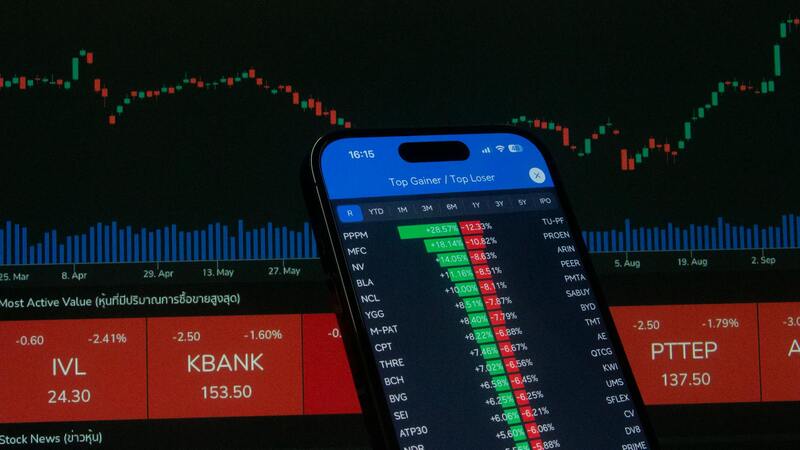
Developing a comprehensive understanding of how prop firms function lays a solid foundation for entrepreneurs wishing to establish their own entity. These firms rely heavily on a well-structured technological backbone capable of supporting rapid order execution, real-time data feeds, and robust risk management protocols. The core aim is to optimize trading performance while maintaining rigorous oversight to prevent significant losses during turbulent market conditions. By integrating machine learning tools, predictive analytics, and high-frequency trading systems, prop firms enhance their responsiveness and adaptability to market shifts.
Market Dynamics and Strategic Considerations
In the rapidly evolving crypto environment, prop firms must remain agile to exploit emerging opportunities. They analyze a wide array of factors such as market sentiment, liquidity conditions, and macroeconomic indicators that influence digital currency prices. A key strategy involves diversifying trading portfolios across various cryptocurrencies and derivatives to mitigate risk and capitalize on overlapping market signals. Staying ahead in this arena requires continuous innovation—adopting new trading algorithms, refining risk models, and integrating advanced analytical tools to improve decision-making accuracy.
Technological Infrastructure and Data Integration
Central to a successful crypto prop firm is a state-of-the-art trading platform capable of executing orders at lightning speeds and with minimal latency. Establishing such infrastructure involves selecting reliable data providers, developing custom trading algorithms, and ensuring secure, scalable network architecture. These systems should be resilient to technical failures and designed to adapt seamlessly to high market volatility. Additionally, integrating comprehensive data analytics platforms enables traders to interpret large datasets efficiently, identify trends, and refine trading strategies in real time.
Collaboration and Market Insights
To stay competitive, prop firms often collaborate with technology vendors, data specialists, and in some cases, institutional partners. These relationships facilitate access to cutting-edge tools, comprehensive market insights, and liquidity sources. Continuous monitoring of technological advancements and industry trends positions the firm to adapt quickly, maintaining an edge in the competitive landscape of crypto trading. Furthermore, many firms invest in research and development efforts to innovate new trading methodologies, improve existing algorithms, and enhance overall operational efficiency.
Understanding the foundational role of proprietary trading within digital assets underscores the importance of technological resilience, data-driven decision making, and strategic agility. This knowledge equips entrepreneurs with the insights necessary to build a prop firm capable of thriving amidst the complexities and opportunities of the crypto market.
Understanding Prop Firms in Crypto Trading
Prop firms in the cryptocurrency trading sector serve as dedicated entities that provide traders with the necessary capital and infrastructure to execute large-scale trades. These firms typically operate by allocating a portion of their funds to talented traders who demonstrate consistent profitability and strategic acumen. Unlike traditional trading outfits, crypto prop firms focus exclusively on digital assets, leveraging advanced technology, data analytics, and market insights to identify lucrative trading opportunities. Their primary goal is to amplify profitability by empowering skilled traders while minimizing risk exposure through sophisticated risk management protocols.
In establishing a crypto prop firm, understanding the operational and strategic nuances is essential for success. These firms often maintain a layered approach to risk, employing algorithms and manual oversight to monitor trading activities meticulously. By fostering a competitive environment that rewards consistent performance, prop firms attract high-caliber traders eager to maximize their earning potential within a supportive organizational structure. Additionally, the integration of cutting-edge trading tools and platforms enables these organizations to capitalize on volatile market conditions, ensuring that their traders can react swiftly to market movements and execute trades with precision.

Developing a Business Model for a Crypto Prop Firm
Constructing a resilient and adaptable business model is fundamental for the sustained success of a crypto prop firm. This process involves selecting appropriate funding mechanisms, designing clear fee structures, and establishing profit-sharing agreements that motivate traders while generating consistent revenue streams for the organization. Tailoring these components to the unique dynamics of the crypto market ensures the firm remains competitive and sustainable over time.
- Funding Sources: Initial capital can be sourced through personal investment, angel investors, or partnerships with institutional entities that are interested in digital asset markets.
- Fee Structures: Implementing performance fees, leasing fees for trading capital, or a combination thereof provides diverse income streams while aligning interests with traders.
- Profit Sharing: Structuring profit-sharing agreements based on performance metrics encourages traders to optimize their strategies and take calculated risks within defined risk parameters.
Choosing a Crypto Trading Platform and Infrastructure
Operational efficiency and security heavily depend on selecting the right trading platform and building a robust technological infrastructure. Ideally, the platform should support high-frequency trading, offer comprehensive analytics tools, and integrate seamlessly with risk management systems. Cloud-based solutions and dedicated servers can provide the scalability and low-latency connectivity necessary for competitive trading in digital assets.
Furthermore, deploying advanced security protocols—including encrypted data transmission, multi-factor authentication, and intrusion detection systems—protects sensitive information and ensures the integrity of trading operations. Establishing reliable data feeds and integrating automated trading algorithms enable traders to execute strategies with minimal delays, giving the firm a competitive advantage in the fast-paced crypto market.

Funding and Capital Requirements
Securing adequate capital is a critical step toward launching a crypto prop firm. The initial funding must cover technology investments, operational expenses, legal compliance costs, and a buffer for unforeseen challenges. The amount of capital required varies based on the scale of operations and the aggressiveness of trading strategies. Typically, firms aim to allocate sufficient funds to sustain trading activities and support competitive trader payouts, all while maintaining prudent risk management practices.
Building relationships with investors or financial institutions can provide additional capital infusion, especially when demonstrating a clear business plan and growth strategy. Maintaining transparent financial records and adhering to stringent internal controls reinforce credibility and facilitate future investments. As the firm expands, additional funding may be needed for infrastructure upgrades, talent acquisition, and market expansion efforts.
Designing a Trading Challenge and Evaluation Process
Implementing a structured trading challenge is key to identifying top talent capable of navigating the complexities of crypto markets. The challenge typically assesses traders’ strategic thinking, risk management practices, and consistency in profitability over a specified period. Structuring the evaluation to include real-time trading scenarios, simulated environments, and risk-adjusted performance metrics ensures a comprehensive assessment of each candidate’s capabilities.
The challenge parameters should clearly define profit targets, acceptable risk levels, and evaluation criteria to ensure transparency and fairness. Successful traders who demonstrate skill and discipline can be invited to join the firm’s trading team, driving overall performance and growth. Ongoing training and periodic performance reviews further refine the skill set of traders and align their objectives with the firm’s broader strategic goals.
Choosing a Crypto Trading Platform and Infrastructure
Establishing a robust and secure technological foundation is essential for a successful crypto prop firm. The selection process for trading platforms must emphasize reliability, speed, and the capacity to handle high volumes of transactions with minimal latency. Advanced APIs and integration capabilities are crucial, allowing seamless connection between trading systems, risk management tools, and data analysis software.
When evaluating trading platforms, prioritize those with proven track records in supporting large-scale operations and offering comprehensive reporting features. Security features such as multi-factor authentication, encrypted data transmission, and cold storage options for digital assets are fundamental to safeguarding the firm’s capital and sensitive information. Reliable platforms often have transparent operational histories and strong customer support, which assists in troubleshooting and optimizing trading strategies.

The infrastructure supporting trading activities extends beyond the platform itself. It includes data centers, VPNs, and backup systems that ensure operational continuity even during technical disruptions. Employing state-of-the-art cybersecurity measures prevents unauthorized access and potential data breaches, which could compromise trading positions or confidential business data.
Data Security and Compliance for Crypto Operations
Maintaining data integrity and security compliance requires comprehensive policies aligned with industry best practices. Encryption of data at rest and in transit protects against interceptions and leaks. Regular security audits, vulnerability assessments, and staff cybersecurity training further reinforce the firm’s defenses.
Furthermore, staying updated on industry-specific compliance standards related to digital assets is vital for smooth operation and regulatory adherence. Implementing multi-layered security controls and audit trails ensures transparency and accountability throughout all trading and operational processes.
Hardware and Software Considerations
- High-speed internet connections to facilitate rapid order execution
- Power backup systems like UPS to prevent downtime
- Advanced trading terminals with customizable interface options
- Automated risk and account management software
- Secure storage solutions for cryptographic keys and sensitive data
Investment in these technologies, combined with continuous evaluation and upgrades, supports the firm's scalability and resilience.
Funding and Capital Requirements
Establishing a crypto proprietary trading firm necessitates careful financial planning to ensure operational stability and growth potential. The initial capital allocation must be sufficient to cover trading capital, technology infrastructure, regulatory compliance costs, and operational expenses. Typically, founders should prepare a comprehensive financial plan that outlines startup costs, ongoing operational expenditures, and contingency funds.
Sources of funding vary depending on the business model and strategic preferences. Entrepreneurs often rely on personal savings, angel investors, venture capital, or institutional funding. Securing backing from experienced investors, especially those familiar with digital assets, can provide additional credibility and resources necessary for scale.
Financial planning should include detailed cash flow projections, risk management strategies, and liquidity reserves. Establishing clear financial milestones assists in tracking progress and adjusting strategies accordingly. Maintaining transparency with stakeholders regarding fund utilization reinforces trust and facilitates future capital raises.

Operational funding also involves securing lines of credit and establishing relationships with banking and payment processing entities that support digital asset transactions. Navigating banking relationships can be complex, given the evolving landscape of cryptocurrency banking services. However, building a strong financial foundation with reputable financial institutions mitigates transaction limitations and regulatory obstacles.
In addition to initial capital, ongoing funding is crucial to adapt to market conditions, expand trading capacity, and incorporate innovative trading strategies. Regularly reviewing financial health, securing strategic partnerships, and exploring diversification avenues help sustain competitive advantage in the dynamic crypto trading environment. A prudent approach to financial management enhances resilience and enables proactive responses to industry fluctuations, ultimately supporting the firm’s growth trajectory.
Implementing Effective Risk Management Strategies
Establishing robust risk management protocols is fundamental to sustaining a profitable and reputable crypto prop firm. These strategies help mitigate potential losses and ensure that trading operations remain consistent even during volatile market conditions. Key components of risk management include setting appropriate leverage limits, defining risk per trade, and maintaining disciplined trading procedures.
Leverage should be used judiciously to balance potential gains against the amplified risks it presents. Setting a maximum leverage threshold helps prevent overexposure, particularly during sudden market swings. Additionally, defining a risk-per-trade percentage—often a small fraction of the total trading capital—limits individual losses and protects the overall portfolio.

Implementing adherence to strict trading plans and stop-loss orders plays a crucial role in minimizing downside risk. Automated stop-losses ensure that no single trade can deplete a significant portion of the capital, while take-profit levels secure gains at predetermined points. Regular review and adjustment of these parameters based on market conditions enhance the firm’s resilience.
Advanced risk management also involves diversified trading strategies across different cryptocurrencies and trading pairs to avoid concentration risks. Leveraging analytical tools such as volatility measures, drawdown limits, and real-time risk dashboards allows traders and managers to monitor exposures meticulously. It is also vital to establish clear escalation procedures for risk limits breaches, ensuring immediate action to prevent more extensive losses.
Building a Technology-Driven Compliance Framework
Maintaining compliance with operational standards and trading regulations is essential for building credibility and operational stability. Implementing technology solutions such as trade surveillance systems and compliance monitoring tools helps in detecting suspicious activities promptly. Additionally, keeping detailed records of all trading transactions supports transparency and facilitates audits or review processes as needed.
Automated reporting systems streamline the process of documenting trading activities, account audits, and risk management logs. These systems also enable proactive identification of irregular trading behaviors, which might indicate misuse or unintended errors.
Training and Development for Trading Teams
Continuous education enhances the skill set of traders, keeping them abreast of evolving market strategies, regulatory updates, and technological advancements. Conducting regular training sessions, workshops, and performance reviews ensures that the trading team operates at the highest professional standards. Developing a culture of disciplined trading and ethical practices fosters long-term stability and reputation.
Encouraging collaborative learning environments, where traders share insights and feedback, enhances collective expertise. Leveraging simulation tools and demo trading environments allows team members to test new strategies without risking real capital. Empowered, well-informed traders contribute significantly to the growth and resilience of a crypto prop firm.
How to Start a Prop Firm Company
Building a Skilled Team and Establishing an Effective Corporate Structure
Creating a successful crypto proprietary trading firm hinges on assembling a team with diverse expertise and establishing a robust corporate framework. The process begins with carefully defining the roles necessary for the operational efficiency and strategic growth of the company. Key positions include professional traders, risk managers, compliance officers, IT specialists, and administrative personnel. When hiring traders, focus on individuals with proven track records, sound judgment, and familiarity with digital assets and blockchain technologies.
Risk management staff are vital for developing systematic approaches to mitigate financial exposure and handle volatile market conditions. Compliance officers play a pivotal role in ensuring that the firm adheres to internal policies and external standards, managing risk of regulatory breaches and maintaining operational transparency. IT specialists help in developing secure trading infrastructure, implementing cybersecurity measures, and maintaining trading platforms that uphold integrity and performance.
Establishing a clear corporate structure is essential for defining roles, accountability, and decision-making pathways. Incorporating the firm as a legal entity, such as an LLC or corporation, provides a formal framework for operations, asset protection, and stakeholder engagement. Developing comprehensive operational policies and procedures in line with industry best practices fosters consistency and ensures that every team member understands company standards and expectations.

Implementing Technology and Infrastructure
Equipping a prop trading firm with the right technological infrastructure is crucial for maximizing trading efficiency and security. Select trading platforms that support high-frequency trading, provide real-time analytics, and integrate seamlessly with risk management tools. Many firms opt for custom-built solutions that are tailored to their specific strategies and operational needs, offering greater control over features and data security.
Secure data storage, reliable internet connectivity, and backup systems are mandatory components to prevent disruptions and safeguard sensitive information. Cybersecurity measures, including encryption, multi-factor authentication, and regular security audits, help protect the firm's assets from malicious threats.
Integrating automated trading systems, algorithmic strategies, and real-time monitoring tools enhances execution speed and consistency across trades. Properly configured infrastructure minimizes latency, ensures order accuracy, and supports scalable growth as trading volumes increase.

Establishing Funding Strategies and Capital Requirements
Securing sufficient capital is fundamental for trading operations and growth. The initial funding can originate from personal savings, venture capital, private investors, or partnership arrangements. It is essential to determine the minimum capital requirements based on the planned trading volume, risk appetite, and market conditions.
A well-planned funding strategy should include clear guidelines on capital allocation, leverage, and risk buffers. Maintaining adequate liquidity ensures the firm can sustain losses without jeopardizing ongoing operations. Transparent financial management practices and detailed capital allocation plans help build trust with investors and stakeholders.
Furthermore, establishing proper risk controls related to capital deployment—such as position limits, stop-loss orders, and risk exposure caps—protects the firm's financial stability. Regular financial audits and performance assessments provide insight into the effectiveness of funding strategies and allow for adjustments aligned with market dynamics and company objectives.

Implementing Effective Risk Management and Compliance Procedures
Establishing a comprehensive risk management framework is vital for sustaining a successful crypto prop trading firm. This involves developing robust policies and procedures to monitor trading activities, manage exposure, and ensure that all operations comply with established standards. Regular risk assessments and scenario analyses help identify potential vulnerabilities and enable proactive measures to mitigate risks.
Utilizing advanced risk management tools is crucial. These tools should include real-time position tracking, automated stop-loss and take-profit orders, and stress-testing simulations against market volatility scenarios. Properly calibrated risk limits, such as maximum daily loss thresholds and sector-specific exposure caps, help prevent significant financial setbacks. Traders should be trained to adhere to these protocols consistently, reinforcing disciplined trading behaviors.

Compliance procedures should encompass comprehensive record-keeping of all trading activities and financial transactions. Implementing transparent audit trails improves operational oversight and enhances the firm's credibility. Regular internal reviews and external audits can detect irregularities or unauthorized activities, promoting accountability throughout the organization.
Developing Strong Internal Policies and Training Programs
Creating clear internal policies around trading protocols, data security, and client information management is essential. Ongoing staff training ensures team members are updated on the latest trading strategies, regulatory developments, and risk mitigation techniques. An educated team mitigates operational errors and strengthens the firm’s overall trading discipline.
Utilizing Technology for Compliance and Security
Automation tools can streamline compliance processes, including trade monitoring, reporting, and anomaly detection. Robust cybersecurity measures safeguard sensitive financial data and prevent unauthorized access. Regular security audits and vulnerability assessments are necessary to maintain a resilient operational environment.
Scaling Operations and Ensuring Long-term Growth
As the crypto prop firm matures, scalability becomes a core focus. Expanding the trading team, investing in infrastructure, and diversifying trading strategies contribute to sustainable growth. Building strategic partnerships with liquidity providers, technology vendors, and industry stakeholders opens new avenues for expansion.
Establishing a clear roadmap for growth involves setting measurable goals, evaluating market opportunities, and continuously refining trading algorithms based on performance data. Leveraging analytics and performance metrics provides insights into the effectiveness of strategies and highlights areas for improvement.
Furthermore, fostering a culture of innovation and adaptability allows the firm to stay ahead of market shifts. Regularly reviewing operational processes and integrating feedback from traders and clients support continuous enhancement. Effective long-term planning ensures the firm remains competitive and resilient amid evolving market conditions.

Related Tags
